Welcome back to the blog!
Now in the UK, March was Women’s History Month, a month that I, as someone who doesn’t care very much for many male historical figures always looks forward to. It’s always thrilling to see various women and their achievements get highlighted in a way that they usually wouldn’t in the male-orientated world of academia. This month I had a huge number of plans for the blog to celebrate however unfortunately at the beginning of the month, my health took a swan dive and I’ve spent most of the month in hospital quite seriously ill which meant my plans for this month haven’t quite panned out. Despite this over my Instagram (see here) which by the way you should follow if you don’t already 🙂 I decided to do an A-Z of all my favourite historical women with me writing about a different woman every single day. On some days however due to my health I just wasn’t able to write; having said that I am finally on the road to recovery and am now working on finishing the A-Z even if it means continuing into April! Having got halfway through the A-Z I thought I’d do a short blog post, showing the women I decided to highlight and the runners up that almost made the cut! ! I hope you enjoy.
A – ANNE BOLEYN
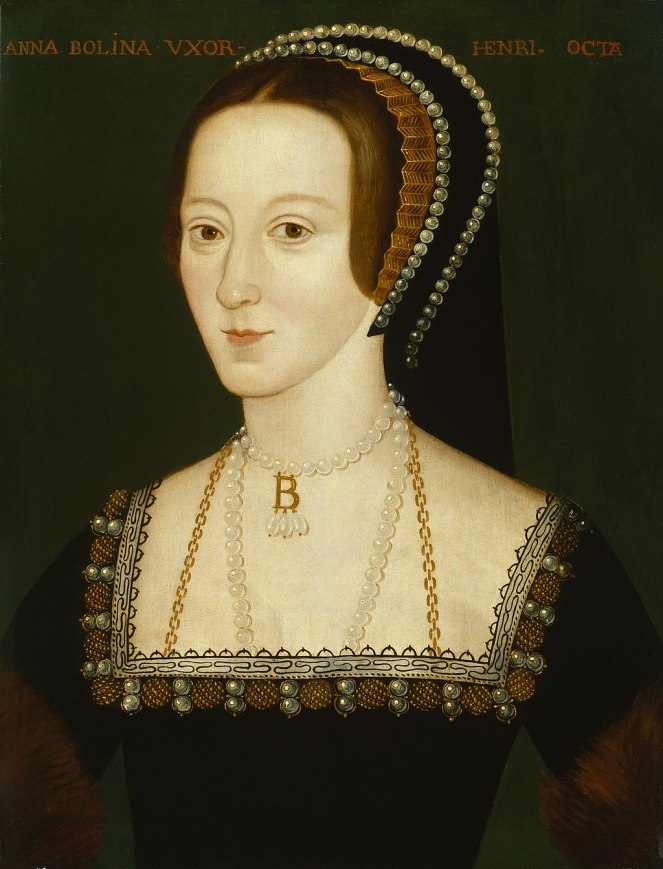
I decided to start off the month with the first female historical figure that got my attention Anne Boleyn. Anne was one of the first historical figures that I was truly interested in and in my ways she ignited my love of queens. Therefore I thought it fitting to start the month off with her!! I’m sure everyone reading this knows her story but for those that maybe don’t Anne Boleyn was Queen Consort of England as the second wife of Henry VIII and mother of Elizabeth I. She’s arguably the most influential Queen Consort the country has ever had with her serving as the catalyst for England’s break from the Catholic Church. Having loved Anne for as long as I have I’ve read A LOT of books about her but if I had to recommend just one it would most definitely be the Eric Ives biography which I’ve written about here. It’s the ultimate Anne biography and it’s so wonderfully written. I’ve read it at least five times and I’m sure I’ll read it again!
Runners Up: Agrippina the Younger (I’ve written about her here in one of my Dear Hollywood Posts), Aisha al Hurra (she’s also made an appearance in one of my Dear Hollywood Posts here), Arwa al-Sulyayhi Queen of Yemen, Arbella Stuart, Artemisia Gentileschi, Alexandra Feodorovna Empress Consort of Russia and Anne de Beaujeu Regent of France.
B – BONA SFORZA
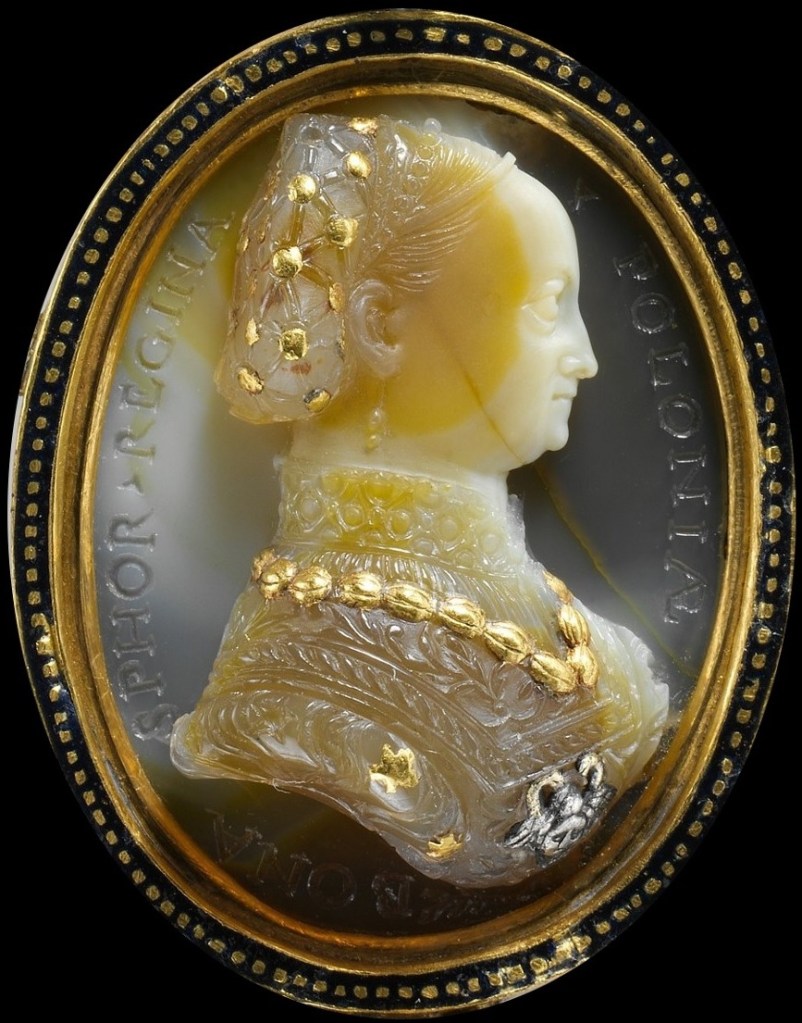
I decided to go with Bona Sforza because she’s absolutely incredible and yet Polish history gets very little attention especially in UK academic circles and I so frequently meet people that have never heard of her. This is such a disgrace in my humble opinion because Bona was so influential in both Italy and Poland and her political career really deserves so much more attention. I first learnt about Bona when I was studying Hürrem Sultan; the two women had a fascinating friendship which culminated in the Ottoman-Polish alliance and is the earliest example of a woman from the Ottoman dynasty engaging in international diplomacy so directly. It really was groundbreaking. Their friendship is also the main reason I have such a weakness for the 1500’s; it was full of so many intelligent, politically important and politically astute women who completely destroy the narrative that women in history were denied power and influence. Bona is most definitely one of them. Unfortunately it’s very difficult to find a good biography of her in English (my dream albeit an unlikely dream would be to write one) however she often makes appearances in books made up of various essays; she for example appears frequently in “Virtuous or Villainess? The Image of the Royal Mother from the Early Medieval to the Early Modern Era” which is edited by Carey Fleiner and Elena Woodacre and published by Palgrave Macmillan as part of their Queenship and Power series.
Runners Up: Blanche of Castile Queen Regent of France, Bess of Hardwick and Bianca Maria Visconti Duchess of Milan
C – CATHERINE I EMPRESS OF RUSSIA

C was so difficult for me; there were so many women to choose from. My favourite woman beginning with C was as you might guess Catherine de Medici however she’s an extremely famous figure, one whose life is currently being adapted by Starz for a new tv show. As I said when I began this blog I want to focus on women who don’t get as much attention hence why I decided to choose a different Catherine. This Catherine I’ve written about before, for one of my Dear Hollywood posts (the post can be read here); she was firstly Empress Consort of Russia and then Empress of Russia in her own right, as the country’s first regnant. Catherine has such a fascinating life; she started out as either a peasant or a slave and wound up as Empress. That kind of life story almost defies belief and yet very few people seem to have heard it. She’s often included in books about the Romanov dynasty as a whole; there’s a good section about her in Simon Sebag Montefiore’s “The Romanovs 1613-1918” and she obviously pops up quite frequently in Robert Massie’s amazing biography of Peter the Great however like so many women, there’s no definitive biography of her in English.
Runners Up: Catherine de Medici Queen Consort & Queen Regent of France (MY NO.2 GIRL ALWAYS & FOREVER who you can read about in one of my Dear-Hollywood posts here), Caterina Sforza, Catherine II Empress of Russia, Empress Dowager Cixi of China and Catherine Howard Queen of England
D – Dorothy Hansine Andersen
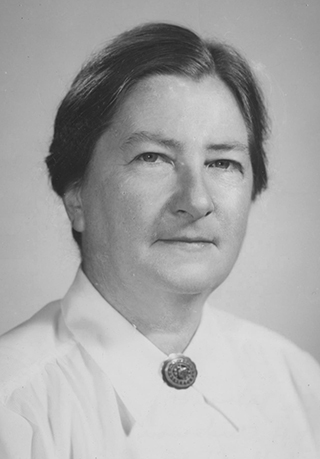
Now Dorothy is obviously a bit more modern than almost anyone else I’ll feature on either the blog or on Instagram however my decision to have Dorothy be the D in the A-Z is a personal one. You see Dorothy effectively discovered Cystic Fibrosis, a genetic illness that predominantly affects the lungs, pancreas and digestive system but can also have a detrimental affect on the liver, kidneys, bones and immune system. There are more than 70,000 people living with the illness around the world and around 10,000 of those are in the UK. I am one of them. Dorothy Hansine Andersen’s accomplishments are well known and deservedly applauded. Her story however is less known; she discovered Cystic Fibrosis when she became a pathologist and noticed a number of tragically deceased babies had identical scarring on their pancreas and lungs. The long-held view was that this scarring was caused by two separate illnesses; at this point no illness was known to affect this two organs. She however hypothesised that the scaring on both organs was caused by the same illness thus leading to the discovery of Cystic Fibrosis. The only reason however that Dorothy was working as a pathologist was because she had been refused the opportunity to do a surgical residency. The reason she was refused the chance to do a surgical residency was because she was a woman. That in itself is absolutely infuriating. That she was deprived of doing her dream job simply because of her gender. The fact she persevered and despite that setback, managed to do what so many men hadn’t and discover (and name) Cystic Fibrosis is a huge testament to the strength, intelligence and resilience of women and the importance of women within fields such as science. I obviously owe her a debt of personal gratitude but I also think she should be given the same level of attention as other medical pioneers who are more well known.
E – Elizabeth I
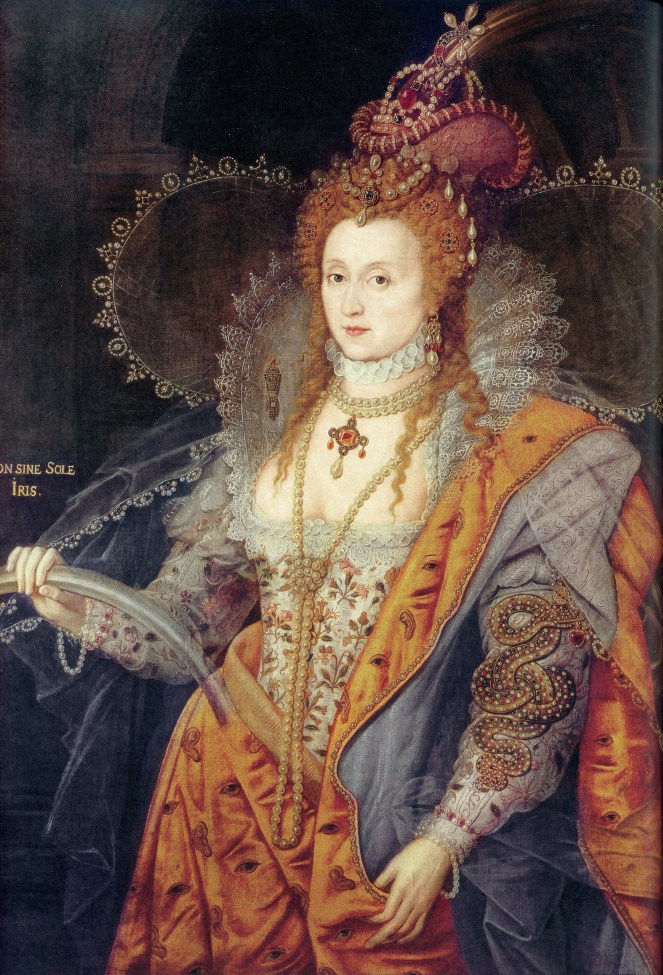
E was excruciatingly difficult for me because two of my five favourite female historical figures begin with E; Elizabeth I and Eleanor of Aquitaine. I ultimately decided to go with Elizabeth because I haven’t written about her on this blog at all whereas I have mentioned Eleanor in one of my Dear Hollywood posts (you can read it here). Elizabeth is obviously a very famous figure, well known and well documented across the world. To me, she was one of the first female historical figures I learnt about; all the others had been male. She was the first female and thus the first one that really stood out to me. Learning about her and her mother Anne Boleyn ignited my love of history and my passion for exploring the stories of historical women, because 9 times out of 10 those stories are given the megaphone that male stories are. There’s also something I love about the fact that Henry VIII was so obsessed with a son and yet he got everything he could have possibly wanted not in Edward VI but in Elizabeth.
Runners Up: Eleanor of Aquitaine (aka the Queen of My Heart), Elisabetta Gonzaga, Elizabeth I Empress of Russia (you can read about her here), Eugenie de Montijo Empress of the French, Elizabeth Woodville Queen of England, Emetullah Rabia Gülnus Sultan Haseki Sultan & Valide Sultan of the Ottoman Empire, Emmeline Pankhurst, Elisabetta Sirani and Eleanor of Castile Queen of England
F – Fulvia
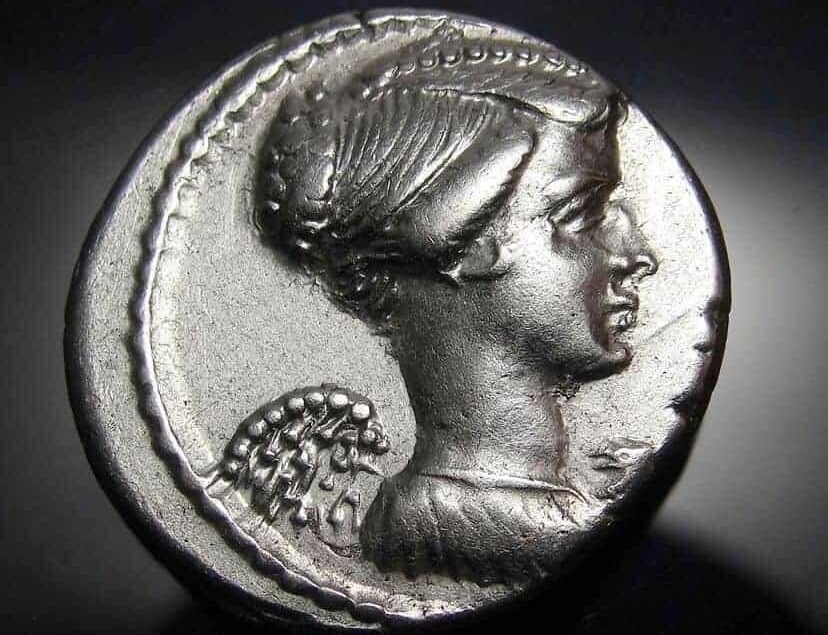
I thoroughly enjoyed the HBO series Rome. I also enjoyed The Netflix documentary on the Roman Empire although not quite as much. My No. 1 complaint with both was that they cut Fulvia from the narrative completely. I don’t believe she was even mentioned. My best-friend who is less historically inclined than me watched the Netflix documentary and then when I did my post on Fulvia, she commented that the documentary hadn’t mentioned her at all. Fulvia for reasons unknown to me is frequently cut out of the narrative when it comes to the transition from Roman Republic to Roman Empire. This is baffling to be quite honest because she played a huge role and was one of the most influential women in the later Roman Republic. At one point with Octavian (later Augustus) and Mark Antony off causing various shenanigans in various parts of the empire, she was de-facto ruler of Rome. It will never make sense to me, and that’s why I decided to write about her. Also there are very few women I could think that begin with F. It’s not a letter that features in a lot of names. Fulvia was a fascinating woman and a master politician, and I wish her life was given more attention.
G – GRACIA MENDES NASI

I have previously written about Gracia Mendes Nasi in one of my Dear Hollywood posts however I find her story so fascinating and her accomplishments so incredible that I decided to include her in this A-Z. She was a Jewish businesswoman in the 1500’s who developed an escape network that saved hundreds of Conversos from the Spanish and Portuguese Inquisitions and helped them begin new lives in the more religiously tolerant Ottoman Empire. She herself relocated to the Empire where she formed a friendship with the Sultan Süleyman I and became influential in their politics. Her actions in saving so many persecuted Jewish families is just incredible and heroic and it’s so disappointing to me that she isn’t given more credit.
Runners Up: Georgiana Cavendish Duchess of Devonshire
I hope you’ve enjoyed this post and you’ve been enjoying this A-Z if you follow me on Instagram. If you don’t you definitely should. The link is here!! See you on Friday for the second instalment of this post. Thank you!
Alexandra x

 The Monstrous Regiment of Women