Once again I have to begin a post with an apology; I know I have yet to finish my Yolande of Aragon profile. I actually had it written and ready to post however due to a problem with my laptop I lost the entire document and have had to start again! I now have a new laptop that I know won’t break down on me and so will hopefully get that up soon!! I promise you that will be the next post up on here. In the meantime in the spirit of Valentines Day (an uneventful day for me this year), I thought I’d do a post about a few of my favourite historical couples. Now I want to emphasise that these are not necessarily relationships that I consider to be healthy or worthy of emulation or “ship” especially as there is a degree of a power imbalance in many of them but they’re romantic relationships that I find to be deeply fascinating from a historian’s perspective.


imagine an emperor falling so in love with you that he breaks several centuries of tradition just to date you
In 1520 in the sanjek of Manisa, a handsome, charming, intelligent 26-year-old Ottoman prince by the name of Suleyman received word that his father the Ottoman Sultan Selim I was dead and that he was now the ruler of an empire that covered around 576, 900 sq miles or 1,494,000 km2. Around the same time or shortly thereafter a young slave girl named Aleksandra entered the capital city of Istanbul and was promptly selected to be a slave in the imperial palace that Suleyman would imminently call home. Unbeknownst to both of them, their first meeting would ultimately change history. You see they met and Süleyman was to put it mildly instantly smitten! Now I’ve done a three-part profile on Aleksandra (which can be found here; part 1, part 2 & part 3) and those posts give a much more in depth overview of their relationship especially part 1 where I in further detail explain the way the dynasty worked in terms of reproductive rules. Basically to put it briefly Ottoman Sultan’s took revolving concubines in order to sire as many children as possible so a European-Henry VIII style no legitimate son situation would never happen. A steady stream of lovers (all of whom were of slave origin) usually resulted in a steady stream of children, meaning the empire always had an heir. Once a concubine gave birth to a son, the Sultan was no longer allowed to continue his sexual relationship with her. This was to prevent one women giving birth to multiple sons and thus developing a monopoly on the sultan’s attention/gaining too much influence over him but also so that when the time came for the princes to fight it out for the throne when their father died, princes would not have to slaughter their full-blood brothers. That was the established practise in the Osman dynasty and Süleyman had so far in his life demonstrated a loyalty to that tradition; we believe he had three sons prior to meeting her and all three had different mothers. That changed however with Hürrem as she was renamed; she fell pregnant within a year of meeting and their son Mehmed was born in October 1521. Now per tradition that should have been the end of their relationship. Suleyman however refused to cast her aside and their relationship continued. Now obviously with this relationship, there’s a deeply unsettling power imbalance in that he was an Emperor and she a slave and therefore in the early years of their relationship, she had no autonomy nor any control of whether she remained in the relationship or not. This I acknowledge is problematic. The fascinating thing to to me is how the relationship developed. Hürrem although considered pretty and graceful was not necessarily the most beautiful woman in the harem; she was however exceptionally intelligent, intuitive, amusing and deeply charismatic, and it was her personality that Süleyman apparently fell head over heels with. The man became utterly devoted to her. I mean 100% couldn’t-be-more-whipped-if-he-tried-broke-centuries-of-tradition-never-looked-at-another-woman levels of devoted. Yes you read that correctly; he never looked at another woman and was by all accounts utterly faithful to Hürrem even after (spoiler) she died. Now after Süleyman broke tradition to continue their relationship, she fell pregnant with a second child and together the pair went on to have six children (five sons Mehmed, Selim, Bayezid, Abdullah and Cihangir and a beloved daughter Mihrimah). Five sons by the way would go on to be the record for most sons borne from one woman in Ottoman history (only Kösem Sultan came close with four sons). This was so wildly out of what was considered normal for an Ottoman sultan that literally the entire international community was stunned. The pair continued breaking traditions left, right and centre and in the early 1530’s he went as far as to free her and then marry her!!! Ottoman Sultan’s didn’t marry. They didn’t have to. Süleyman however broke every rule in the Ottoman book by making her a free woman and then his wife. There’s a number of theories about why exactly he did this and we’ll never know for sure but at this point the pair had been together a decade, had multiple kids and his devotion to her was an internationally talked about fact. Their relationship would last for almost forty years until her death in 1558. In that time they continued breaking all the old rules; not only was there the multiple baby thing and the whole marriage situation but Hürrem also became the first woman to live in the main palace with the Sultan, she became the first woman to become involved in the day to day running of the empire advising her husband, communicating with foreign dignitaries and overseeing the dynasty as it’s highest ranked female (becoming one of the most powerful women in the empire’s history), she became his partner in both their personal and political lives and they for the first time in Ottoman history turned the imperial dynasty into a nuclear family with father, mother, children and later grandchildren (they were apparently incredibly cute, incredibly loving grandparents). They were devoted to one another and as previously mentioned Süleyman was notoriously faithful (a fact attested to by foreign ambassadors). He also wrote notoriously romantic love poems to her (you read them and you forget you’re reading the words of an emperor considered one of the most powerful men in the world). In the later years of their marriage when Hürrem was suffering from some sort of long term illness, Süleyman refused to go on military campaigns because she was terrified of dying alone and he wanted to be by her side. After she died, he was noted by ambassadors to have aged greatly, grown much thinner than he’d ever been, become a lot more isolated and their daughter Mihrimah was noted to have moved back into the main palace to comfort him. When he died eight years after Hürrem, he was buried in a mausoleum that is connected to hers. Their son Selim succeeded him and every Sultan since descends from them. I have to admit I’m a sucker for a Cinderella story and this is a very real one. There’s something quite romantic about Süleyman willing to break EVERY rule in the book for her and it’s pretty clear he was completely in love with her. Now obviously considered the power-imbalance at the onset of their relationship it’s possible Hürrem didn’t necessarily feel the same although the few remaining letters between the two would suggest at least an affection on her part. It’s also worth repeating that they spent almost four decades together with six children and a ton of grandchildren, it’s highly unlikely she felt nothing for him. Her not wanting to die without him, I think further attests to that.
(for further reading see the following; “The Imperial Harem” by Leslie P Peirce (1993), “The Empress of the East: How a Slave Girl became Queen of the Ottoman Empire” by Leslie P Peirce (2017), “Roxolana: The Greatest Empress of the East” by Galina Yermolenko (2005) and “The Age of Beloveds: Love and Beloved in Early Modern Ottoman and European Society and Culture” by Walter G Andrews and Mehmed Kalpakli (2005). the blog posts I did on Hürrem have further reading too!)
#PowerCoupleGoals
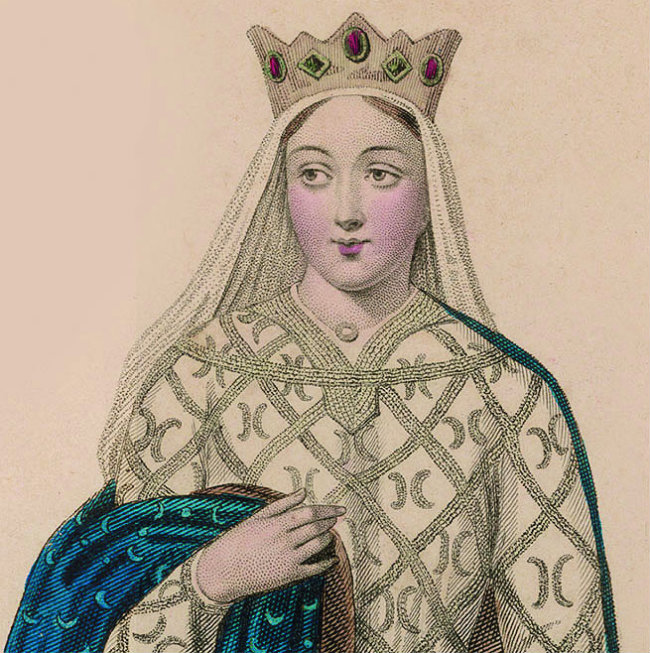
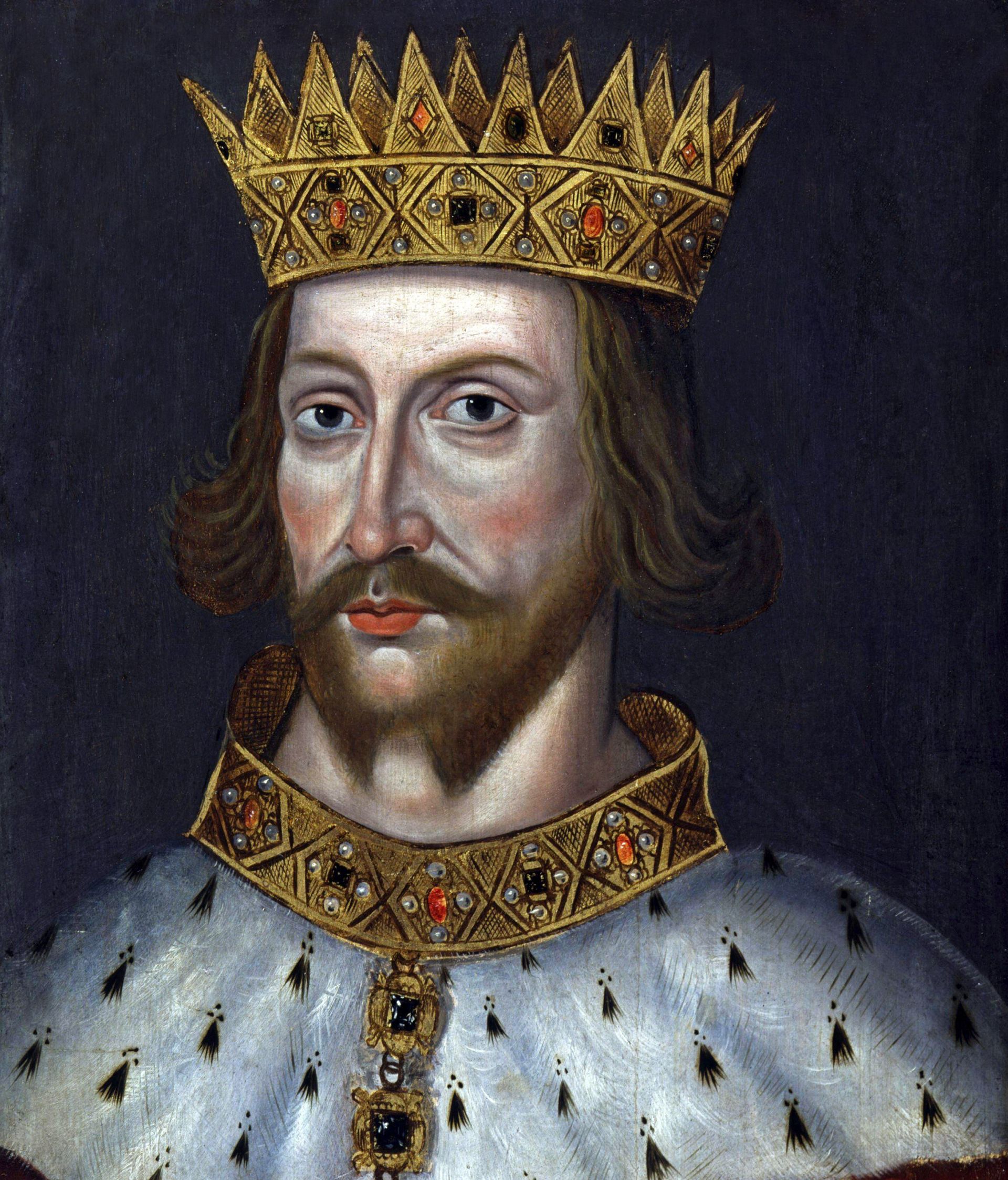
If you were to rewind to the 1140’s-1150’s there were two names on everyone’s lips. The first was Eleanor of Aquitaine, the Queen of France, the beautiful, worldly, sophisticated, intelligent, strong-willed and incredibly charming wife of the King of France Louis VIII who was absolutely none of those things and was, if we’re being honest completely outclassed on just about every level by his wife. To say she was out of his league was a bit of an understatement. She was also incredibly wealthy and powerful as the Duchess of Aquitaine in her own right and was the most talked about woman in the world, no thanks to her exploits on crusade. No one was doing it like she was back then. The second was Henry of Anjou the eldest son of Empress Matilda aka the rightful Queen of England and her 2nd husband Geoffrey of Anjou aka Geoffrey the Handsome. Through his parents he was heir to a huge number of territories including multiple regions of France such as Anjou, Maine, Touraine & Normandy and obviously the whole of England. Despite his young age he had earned himself a reputation as one of Europe’s most formidable princes with an ever-growing number of territories in Western Europe and an impressive army under his command. The King of France aka Eleanor’s husband was growing increasingly intimidated by him a fact that DELIGHTED Henry who was every inch a trouble-making shit. When these two first met in late 1151, he was in his late teens and looking for a wife, she was eleven years older, a mother of two and on the verge of divorcing her disappointing first husband. No-one at the time could have predicted that, that first meeting would lead to marriage between the two. It did however and that marriage would go on to one of history’s more dramatically passionate unions, a fact somewhat unsurprising when you consider their own individual personalities. You see the thing is, you couldn’t have found two more people more similar. They were both stubborn, passionate, strong-minded, forceful, ambitious and used to getting what they wanted. They were complete equals and the explosive nature of their marriage seems somewhat inevitable in hindsight. On the 21st March 1152 she was finally granted her divorce from her 1st husband having first mentioned ending their marriage a few years before. She returned to Aquitaine and just eight weeks later she and Henry married in a wedding that in all likelihood had been agreed upon when they’d met in Paris in late 1151. The ink on her divorce was barely dry and the fact that the Henry/Eleanor marriage appeared re-arranged suggested to Louis that his wife had cuckolded him and then married her lover. He was to put it mildly, very pissed by the turn of events, and became even more upset when a) he declared war against Henry who promptly thrashed him and b) Eleanor announced she was pregnant very early on in her and Henry’s marriage. Partisans of Louis had encouraged the notion that Eleanor was barren due to the fact that in their sixteen years of marriage, they’d only managed two daughters, so Henry knocking her up so quickly was a tad embarrasing. Their son William was born in August 1153 and he would go on to be, despite the tumultuous nature of the marriage, the first of eight children, conceived over a thirteen year period. Henry and Eleanor’s marriage was by all accounts a particularly passionate, argumentative one although they were able to at least sometimes put politics before passion with Eleanor being a particularly involved Queen Consort. She often served as regent whilst Henry was away fighting in the never-ending wars with the French (her 1st husband never quite got over the whole marriage situation) and he was wise enough to put her impressive intelligence and honed political instincts to good use. As E.L Konigsburg writes, “she wasted nothing that she learned. And to an ambitious man like Henry, she was an asset, the asset that Eleanor had always known she could be, given half the chance. She and Henry often went falconing together, they often held court together; they were suited to each other and to their times as no other couple in history”. They were basically as I said above #PowerCoupleGoals. The marriage however became increasingly volatile as the years went on culminating in civil war. Why, you ask? Well the popular narrative is that Eleanor was wounded enough by Henry’s frequent infidelities to foment rebellion and encourage their sons to rise up against him. I disagree entirely. Eleanor and Henry were frequently separated and he was a king in the medieval era. Infidelity was to be expected and I don’t really imagine Eleanor as the type of woman who expected monogamy especially when as I said, they were apart so frequently. The problem ultimately with Henry and Eleanor’s marriage was power and the fact that that they both loved power as much as they loved each other which is all sorts of problematic. In her novel Devils Brood, Sharon Penman hits the nail on the head pretty well when she writes, “Eleanor’s greatest grievance was not a simpering lass with flaxen hair and smooth skin. It was Aquitaine, always Aquitaine”. Henry was not the kind of man who enjoyed sharing power, not with his wife nor his sons and the couple fought quite bitterly over Aquitaine which she wished to retain power over. She considered it hers (which it technically was) whereas he considered it part of his growing empire and thus under his command. He then cocked up things further by crowning their eldest son as a kind of junior king but then refused to grant him any power to go with the title. This ultimately led to their sons rebellion. The fact Eleanor’s ex-husband helped her sons rebel probably didn’t help matters. The rebellion narrowly failed but reminded Henry that he was very very human and also very very lucky. He publicly forgave his sons but imprisoned Eleanor. I actually think him imprisoning Eleanor was almost a weird kind of compliment; clearly he didn’t consider his sons a threat nor did he consider them competent or bold enough to rebel again. Eleanor however was a different story. She was too competent and too dangerous and too much of a threat and most importantly she matched him. He knew that. It was the reason he’d married her in the first place. She then spent sixteen years imprisoned although following the death of their eldest son in 1183, she was granted a greater amount of freedom and in the years afterwards her and Henry frequently travelled together. Even technically imprisoned she was said to exercise some involvement in the government of the empire that they had built together. When Henry died in France in 1189, she was in England and their son Richard’s first act as King was to order his mother’s complete freedom. Eleanor would outlive Henry by fifteen years and in that time she basically ran the show, ruling the empire he left behind whilst their son Richard went on crusade. When she herself died in 1204 having lived a ludicrously dramatic life, she was buried beside him at Fontevraud Abbey where their bodies remain to this day. Now their relationship was by no means healthy and they were probably too similar to have a truly functional marriage however they were so deliciously dramatic and tumultuous and I do think they were truly equals. No else could have matched either of them. There are two quotes in Sharon Penman’s novels that I think sum up the marriage pretty well; the first is “there were thirty seven years of good and bad. Quarrels and reconciliations. Eight cradles and too many gravestones and power that rivalled Caesar’s, an empire that stretched from the Scots border to the Mediterranean Sea” and the second is from Eleanor’s perspective “we schemed and fought and loved until we were so entangled in hearts and minds that there is no way to set us free. God help us both Henry, for we will never be rid of each other. Not even death will do that”. Indeed.
I stand by my belief that divorcing her was the biggest clusterfuck of his life
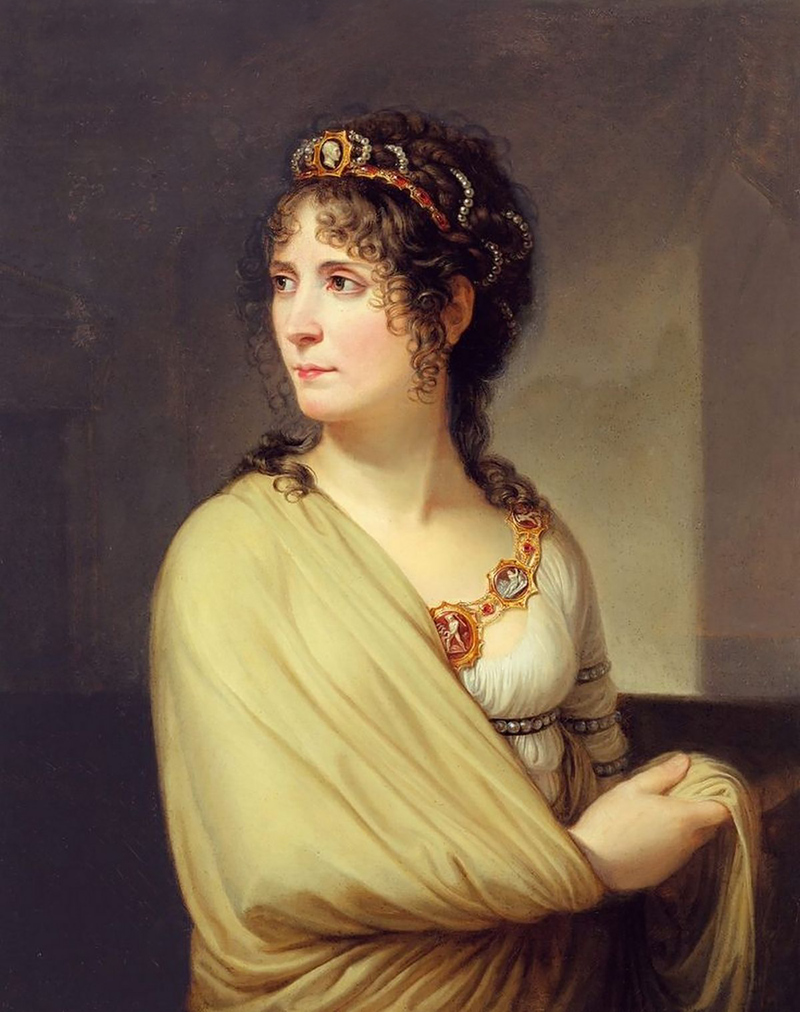
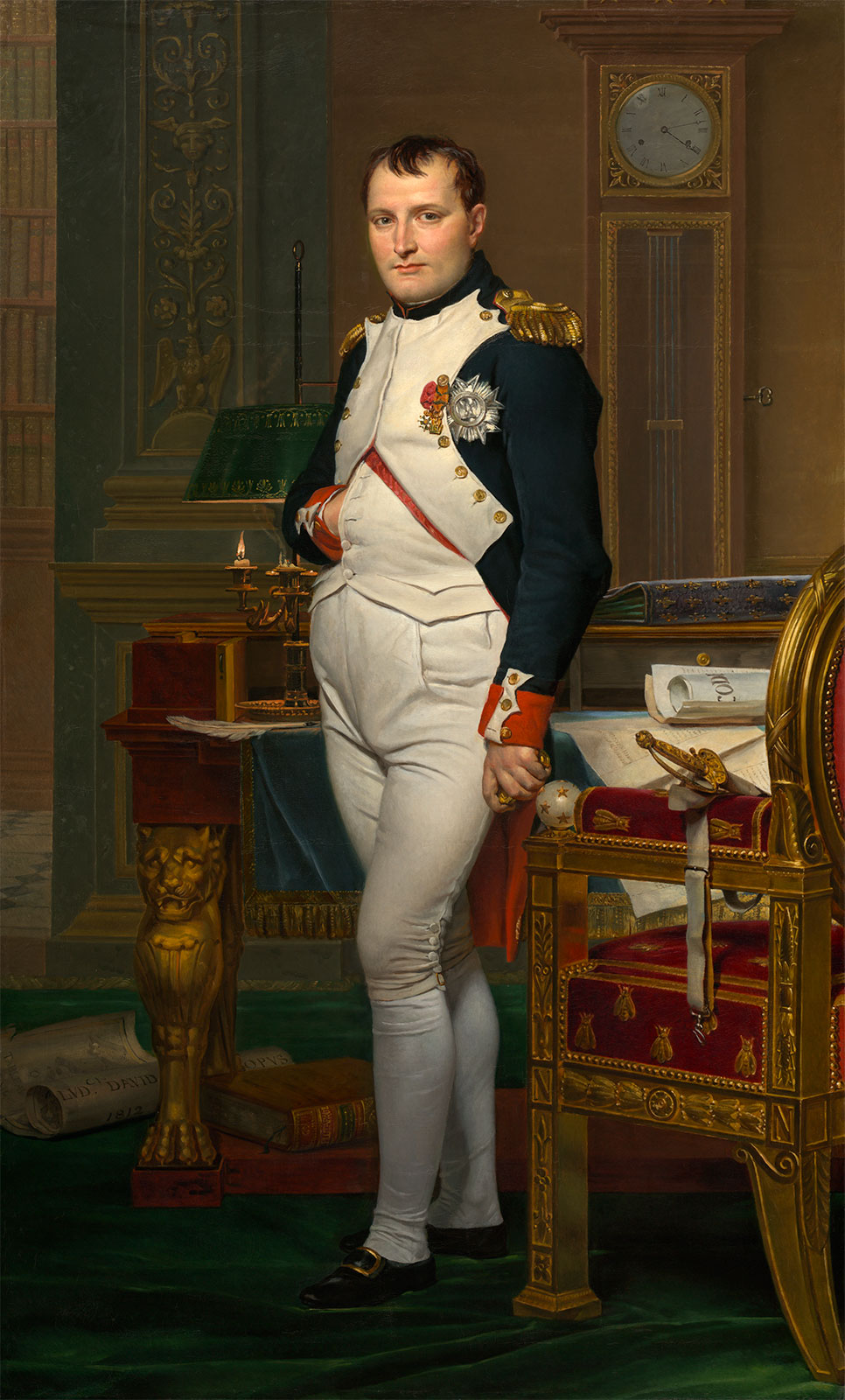
I’m gonna go out on a limb here and guess that when you think of Napoleon you don’t really think of him as a love-struck fool who spent considerable amounts of time writing incredibly intense love letters and ate quite willingly out of the palm of his wife’s hand. Except that at one point that was exactly who he was. You see in 1796 Napoleon was pretty much a nobody. Although he was a general in the French army, he had no official position, little wealth, no connections and his career wasn’t really going anywhere; Paul Barras the then-de facto leader of France however saw potential and invited the younger man into his inner circle which is where he met Barras’ mistress Josephine de Beauharnais a beautiful, glamorous, sophisticated, cultured widow of the revolution, six years his senior. If you want to know a bit more about Josephine she makes an appearance in my most recent Dear Hollywood post here. Napoleon was by all accounts obsessed from the minute he laid eyes on her and pursued her vigorously. Almost too vigorously with Josephine later noting in letters to friends that his obsession with her was almost too intense at times. I think he was pretty inexperienced when it came to love and sex and intimacy and she was the first (and arguably only) woman he loved and he unfortunately put her on a bit of a pedestal. The problem is, is that that kind of worshipping just isn’t sustainable in a long-term relationship. Human beings are infallible. They make mistakes. They sometimes say and do the wrong things. She was never going to be able to live up to the perfect idea of her he had in his head. We don’t how quickly after their meeting they became lovers, however we do know that they were married within 5 months and just 9 days after the wedding he went to lead the Army of Italy. That was the beginning of their problems. You see Napoleon even from hundreds of miles away was pretty possessive and very intense and at one point during the campaign, she fell ill (possibly pregnant) and he threatened to abandon his post and travel to Paris to be with her, ignoring the small fact that he would have been arrested and court martialled for abandonment of the army, upon entering the city. She ended up recovering (if she was indeed pregnant, then she evidently lost the baby) so that disaster was averted but he continued to send her these very long, very romantic, quite sexual love letters. I mean they were constant; love letter after love letter sometimes up to five times a day, and they weren’t your average “hey, how you doing?” kind of letters. They were full blown intense, declarations of love such as this gem; “by what art have you learnt how to captivate all my faculties, to concentrate in yourself my spiritual existence – it is witchery dear love, which will end only with me. To live for Josephine, that is the history of my life”. You can read more of their letters here. Her letters which unfortunately we don’t have (thanks to Napoleon who destroyed them at some point after their divorce) were evidently shorter, less romantic and not as frequent which frustrated Napoleon. This is where I make a point that most historians would probably disagree with but the popular narrative is that whilst he was crazy about her, she just wasn’t that into him. I actually disagree. I mean we have evidence of her writing a letter to Barras whilst Napoleon was in Italy which includes the sentence, “I have nothing more to desire if only I can have Bonaparte again”. That does not sound like a woman who has only ambivalent feelings towards her husband. Meanwhile Napoleon’s family who HATED Josephine, spent considerable effort trying to convince him she was having an affair hence why she wasn’t as doting as he was. Josephine wasn’t helped by the rumours in Paris that she was having an affair with Captain Hippolyte Charles a much younger, very good looking, very charming young man who I like to think of as being a bit of a himbo. He made her laugh, was known for his very eclectic fashion sense and lacked the overwhelming intensity of Napoleon. Now I’d like to emphasise that there’s no solid evidence that Hippolyte Charles and Josephine had an affair. They were close that’s true but there’s no undeniable proof the relationship was sexual despite what the gossip-mongers of Paris and infinite numbers of historians have claimed since. I’m not saying it’s outside of the realm of possibility, in fact it’s a very real possibility. We’re just not sure. Anyway during both the Italian and Egyptian campaigns a few unfortunate incidents took place that convinced Napoleon that his wife was being unfaithful. One such incident was that Josephine’s dog died in a tragic accident involving another dog, and Hippolyte Charles being the sweet guy he was brought her another. In late 1790’s France that’s quite an intimate gift and everyone in Paris took it as proof of their affair. Napoleon all the way in Cairo did the same and then decided his best option was to have his own less than discreet affair with a fellow soldier’s wife. This led to a pretty spectacularly fight between Josephine and Napoleon upon his return which culminated in his brother Lucien finding them the next morning “in a state of unmistakeable, total reconciliation” which is a really just a polite way of saying he walked in on Josephine and Napoleon doing it. The marriage after this however was never quite the same or at least Napoleon was never quite as obsessed as before although I don’t think anyone ever doubted that he loved her. There are a huge number of memoirs from people who spent time with them and all they all attest to the fact that Josephine and Napoleon were very affectionate with one another in public, sometimes embarrassingly so (Evangeline Bruce points in her book that one of Napoleon’s aides wrote to his family that he “takes conjugal liberties which embarrass us all”) and one lady in waiting of hers summed up Napoleon’s feelings for his wife pretty well by writing, “if he was ever really stirred by any emotion, it was by her and for her”. The pair were also actually pretty well suited with Pierre Branda pointing out that “both had an usually high self-esteem. They rarely had any doubts. As their correspondence shows, they never acknowledge defeat and always pursued precise goals, sometimes to the point of obsession. Tenacious, determined and convinced of their own superiority, they always aimed to reach the summit”. Now in the aftermath of the Egyptian campaign Napoleon’s star was higher than ever before and he began plans to take hold of power within Paris. This led to a very famous coup that gave Napoleon not just control of Paris but the rest of France too. In my Dear Hollywood post I debated how politically involved Josephine was. I tend to think she was more politically influential than she’s usually given credit for and she was almost certainly partially responsible for his rise to power. She was after all the one with the powerful connections, charisma and popularity. They ended up rising all the way to Emperor and Empress and were crowned together in a lavish ceremony in 1804 that was unlike any other coronation ceremony I’ve ever read about. Behind closed doors however there were marital difficulties. Napoleon wasn’t exactly the most faithful husband and had a number of affairs. Josephine, a Saint, mostly ignored them, after all his affairs were not affairs of love and they didn’t lasted long. Meanwhile his pesky family remained thorns in Josephine’s side and to top it off Josephine was unable to bear her husband that all important heir. A divorce we know was first mentioned to Napoleon as early as circa the coronation but Napoleon still at this point hadn’t given up hope they’d have a child. She was the love of his life, the ultimate-ride-or-die, the only person I think that completely understood him and they’d risen from commoners to Emperor and Empress together. Eventually after years of avoiding the inevitable, the needs of the state trumped his love for her and a divorce became necessary. As I noted in my Dear Hollywood post there were those around Napoleon who weren’t supportive of the whole divorcing-Josephine-idea. His infamously loyal chief of staff refused when he was asked to find evidence of Josephine’s apparent affairs (regardless of the fact that no such evidence existed) whilst two of his closest aides Lannes and Rapp were both vocally unimpressed. If I had been in Napoleon’s inner circle, I’d have probably agreed with them. Divorcing Josephine was a pretty terrible move and I’m not saying the divorce led to his downfall, but I am pointing out that things only started going wrong for him after he’d divorced the woman he’d once considered his lucky charm. The divorce took place in a spectacularly mortifying ceremony in full view of history; Napoleon a man not known for his overt displays of emotion was visibly teary whilst reading his speech whilst Josephine only made it through half of hers before the two left the room in tears. She departed from the palace the next morning. He lasted quite literally 24 hours before insisting he needed to go and visit her. He got remarried to Marie Louise of Austria not long after the divorce although never ceased contact with Josephine who he considered his dearest friend to the end. The continued contact with Josephine was a sore subject for Marie Louise who loathed her husband’s continued affection for his ex-wife to the point that when he tried to introduce them, Marie Louise burst into tears. Her jealously over Josephine probably wasn’t helped by the fact that everyone adored Josephine and Marie Louise was seen by pretty much everyone as a step-down. Through no fault of her own she lacked Josephine’s charisma, social skills, political knowledge, popularity, strength and intelligence (in part due to her age and inexperience) and her skills as Empress were considered sub-par by the Parisians who considered Josephine’s tenure as Empress, pretty damn flawless. We all know how Napoleon’s story ended. His downfall was not quick and painless and Josephine was forced to watch all of it from afar. Napoleon’s son would later quip that none of the disasters that had befallen them would have, had Josephine been his mother. When Josephine died in 1814 likely from pneumonia, Napoleon took it badly. He locked himself in his room for two days and refused to see anyone except his closest aides, not wanting anyone to see him overwhelmed with grief. His shattering grief was then used by those around Marie Louise to turn her against him, painting him as a man still in love with his ex-wife. They also insinuated he had a number of mistresses which further infuriated Marie Louise. She abandoned him and they never saw each other again. “Bonaparte” was apparently one of the last words to fall from Josephine’s lips before she died in 1814, whilst “Josephine” is sometimes reported as being amongst the last few words Napoleon uttered seven years later in 1821 upon his own demise. I wrote in my Dear Hollywood post that this marriage is so striking to me because it’s a prime example of two people loving each other so deeply (I stand by my belief she was the great love of his life) but that love tragically just not being enough. He was too obsessed with power and ambition and building the world he dreamed of. This poem here actually totally gives me Napoleon-Josephine vibes.
(for further reading see the following; “Josephine: Napoleon’s Incomparable Empress” by Eleanor P. Delorme (2002), “Napoleon and Josephine: An Improbable Marriage” by Evangeline Bruce (1924), “The Rose of Martinique: The Life of Josephine” by Andrea Stuart (2013) and “Napoleon: His Wives and Women” by Christopher Hibbert (2010) – they’re all quite good)


a dream duo
Everyone knows the legend of Elizabeth I, Gloriana, the Virgin Queen, that ruled alone without a man by her side. Except she did have a man by her side. Meet Robert Dudley. The pair first met as children although when exactly is unclear. It’s also unclear how close they were as children but a report from the French diplomat in 1566 does suggest they were fairly intimate by the time she was eight and he nine. In the report Jacob de Vulcob discloses that he had, had a conversation with Dudley in which the latter “told me his true opinion was that [Elizabeth] would never marry. To convince me he added that he considered that he knew her Majesty as well as or better than anyone else of her close acquaintance, for they had first become friends before she was eight years old. Both then and later (when she was old enough to marry) she said she never wished to do so”. That suggests they were pretty close from a young age. They would remain close throughout the infinitely complex years that followed, including throughout the reigns of her brother Edward and sister Mary. Following the death of Elizabeth’s brother Edward in 1553, Dudley’s father attempted to stop the accession of Mary (despite her being the rightful heir and all that) due to her Catholicism. In show of sisterly solidarity Elizabeth backed Mary whilst Dudley’s father ended up being executed for his actions. During Mary’s reign both Elizabeth and Dudley were imprisoned for suspected treason, coincidentally at the same time and this uniquely horrific experience would bond them forever. He was quite literally by her side when she became Queen in 1558 and she quickly appointed Master of Horse. From this moment on, he barely left her side. For the first few years of her reign, it was widely rumoured both domestically and internationally that the unmarried Elizabeth’s true desire and intention was to marry Dudley despite the fact he already had a wife (he’d married Amy Robsart as a teenager apparently out of lust). Their closeness was noted upon by just about everyone and neither were particularly subtle with their affection. The giant problem with Elizabeth and Dudley was that even if they weren’t lovers, they certainly acted like it, causing all sorts of rumours that just never really went away. I personally believe she did remain a virgin in keeping with the legend that she built around herself. However IF I’m wrong and she was indeed intimate with a man, there’s almost no doubt in my mind that that man was Dudley. I mean they had connecting bedrooms, there’s ambassador reports from the period that attest to the fact he would just walk into her room whenever he fancied, sometimes first thing in the morning when she was in a state of undress and he was clearly the person she trusted the most. There was certainly a huge amount of physical and emotional intimacy there which is unsurprising considering their long history. I tend to think there was a degree of emotional dependance there too, both had suffered pretty severe trauma in their youth and the fact both had managed to survive was a miracle in itself. That sort of shared trauma and set of experiences probably bonds two people in a way that few things do. Certainly the two could never really go cold turkey from one another; they bickered and then reconciled and then bickered again and then reconciled again and it was little bit like an addiction. Despite the volatility of their relationship, he was, even when they were at their worst, completely devoted to her and she to him, although as Queen, she always had to put England first. The rumours of a possible marriage came to a screeching halt when in 1560 his wife Amy tragically and suddenly died in a mysterious death that led to rumours that either Elizabeth and Robert had murdered her so they could be together or that Robert had individually orchestrated her death so he could marry Elizabeth. Both rumours were politically disastrous for Elizabeth domestically and internationally and it’s widely believed Amy’s death put an end to any chance of Robert and Elizabeth marrying. I’ll be honest, I don’t personally think marriage was ever a possibility for these two; Elizabeth was nothing if not a master politician and she knew that if she did wed, it would have to be for politics. Dudley offered no international alliance. He was also ambitious to a fault, a man and thus a threat to her sovereignty and power as a female monarch, didn’t have a particularly sterling reputation amongst the people (in part due to his family history) and then there was the fact that marriage to an Englishman would have caused considerable jealously and factionalism which risked civil war. Despite all that Robert clearly hoped he still had somewhat of a chance. The death of his wife and the questionable circumstances surrounding that clusterfuck however was basically the nail in the coffin for that dream. As a side note I personally think his wife’s death was a tragic accident that was mysterious and unexpected enough for Dudley’s critics to concoct wild conspiracy theories around it. I don’t think any of the rumours surrounding her death had any validity whatsoever. Although marriage was completely off the table, the two didn’t exactly change their behaviour and after Amy’s death, he spent almost twenty years solely and constantly by Elizabeth’s side. Their relationship was during this time as intimate, volatile and devoted as ever, and despite the assertion that marriage between the two was off the table, rumours about the nature of the pair’s relationship persisted. One of the bigger fall outs in their relationship came in 1578 when he married Lettice Knollys. Lettice in a slightly-odd turn of events was not only a cousin of Elizabeth’s but was also basically her decade-younger doppelgänger. Awkwardly everyone knew of the nuptials before Elizabeth but no one could bring themselves to tell her, fearing her reaction. When she did eventually find out, she was unsurprisingly to those who had avoided telling her in the first place, completely and utterly livid and she banished both of them from court. After that, their relationship was distant for a while but eventually as always they reconciled and their relationship continued as before. Lettice however was never allowed back at court again. I actually don’t blame Dudley for remarrying. I mean the choice of wife was questionable but over the course of his and Elizabeth’s relationship, he had been granted considerable lands, wealth and titles and he needed an heir to pass it all on to. The only way for him to have an heir was to marry, a fact that you would think Elizabeth may have been sensitive to. The last decade of their relationship was less intense than before, a fact I think stems from age. Neither were as hot-headed as they had perhaps been in their youth and I think with age comes a certain degree of perspective and wisdom. When he died in 1588 Elizabeth was absolutely heartbroken and I think Sarah Gristwood wrote it well when she wrote, “he had been her councillor, her unofficial consort and commander of her army. He had loved her, advised her, understood her, sat by her bed in sickness and represented her on state occasions; and she had raised him, the son and grandson of convicted traitors, to be the greatest man in the land”. In the aftermath of his death, she apparently locked herself in her room for two days and refused to allow anyone in culminating in her advisors being forced to knock down the door. When she herself died in 1603, his final letter to her was found by her bedside which is just pretty damn sad. I love these two because on the one hand I think it’s so tragic they never got the chance to have their happy ending and be together the way they wanted, however on the other hand I think they would have driven each other absolutely insane had they married. I don’t think Elizabeth who necessarily found trusting people easy (with her history that’s not a surprise) and yet it’s clear she trusted him implicitly even if he was at times a bit of a conniving shit. A conniving shit that loved her though. I do think that despite everything, despite the ups and downs and the betrayals and quarrels, they were each other’s great loves. He I think was the defining relationship of her life and in some other universe maybe they could have been together.
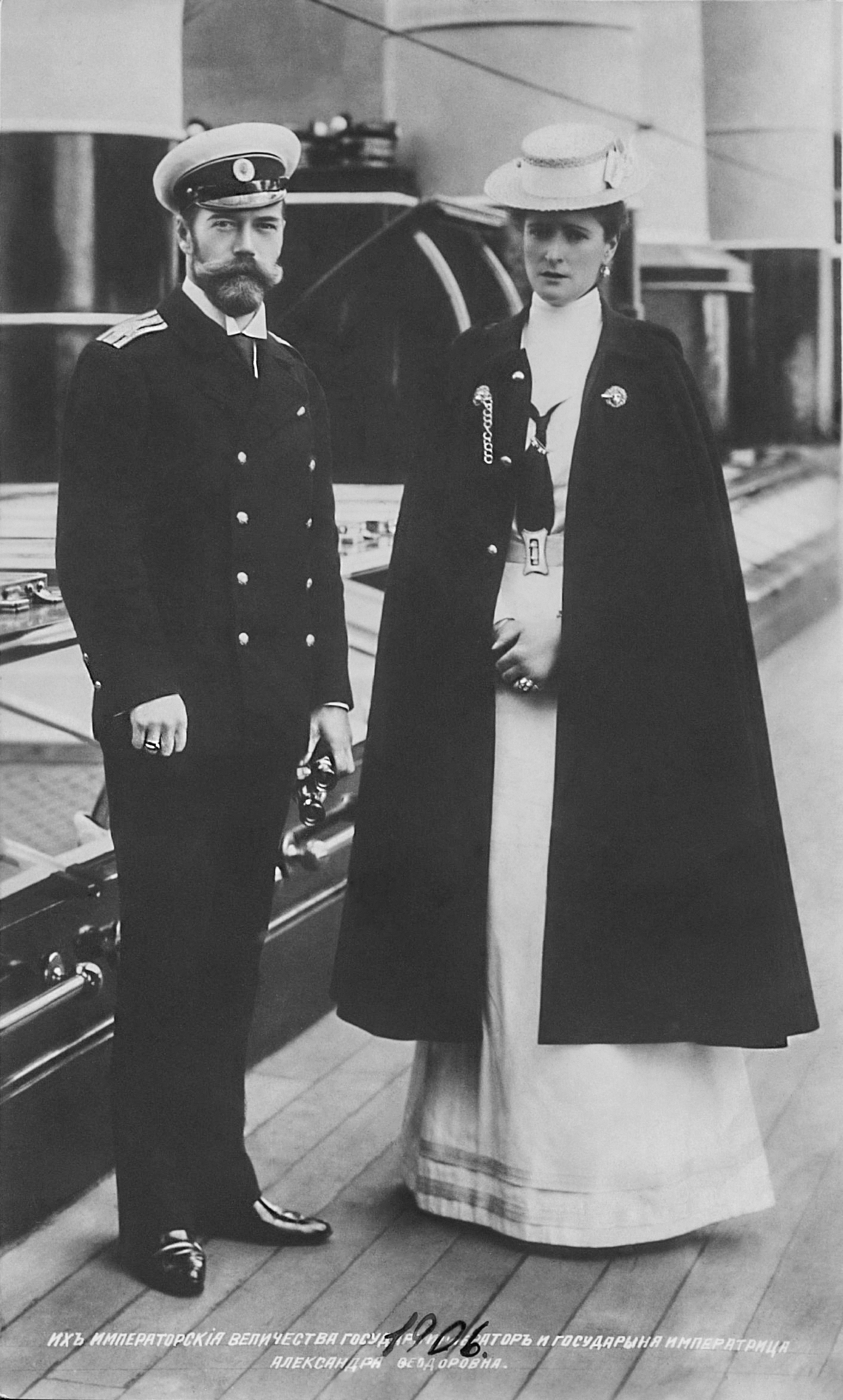
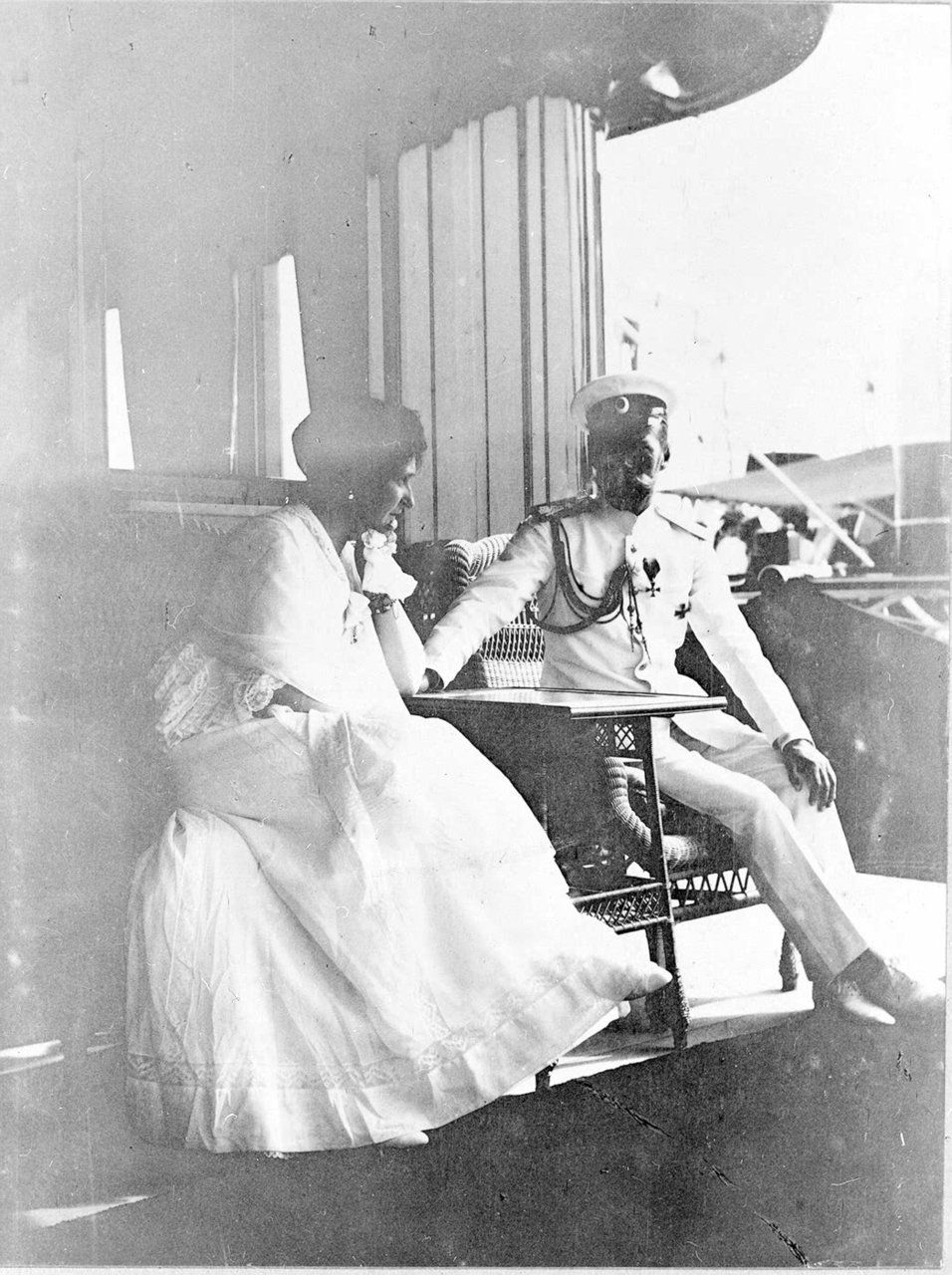
oh you two fools
It’s rare nowadays to find a couple who have been together since childhood. Sometimes that’s the case in our grandparents or great-grandparents generations but rarely does it happen in 2021. Back in 1884 Tsarevich Nicholas Alexandrovich the heir to the Russian throne met Princess Alix Victoria Helene Louise Beatrice of Hesse, at the wedding of his uncle to her sister. The two were young, both under 16 and whilst they clearly grew fond of one another during her time in St Petersburg, no one could have imagined that it would be the beginning of a love story that spanned decades. You see whilst in St Petersburg, Alix quite clearly developed an adorable crush on Nicholas a charming, handsome prince a few years older than her and she wasn’t subtle. Pretty much everyone noticed. Upon her departure from St Petersburg the two began a correspondence but it would be five years before they saw each other. In July 1890 she finally returned to St Petersburg to visit her sister and was reunited with Nicholas. The 1890 St Petersburg trip was evidently a turning point and Nicholas himself noted in his diary that although he’d had feelings for her ever since their first meeting, it was during those six weeks that those feelings became serious and by serious I mean, marriage-level serious. Nicholas’ uncle Sergei and his wife Elizabeth aka Alix’s sister were thrilled at the love affair that had blossomed and encouraged them with their uncle Edward writing that “Ella would move heaven and earth” to make the match happen. Despite the fact that the lovebirds were head over heels for one another, literally no one else was onboard with the idea of a marriage between them and her grandmother Queen Victoria, initially one of the fiercest opponents to the love affair at one point admonished Elizabeth for encouraging it. Although Victoria liked Nicholas personally, she loathed his father Tsar Alexander III and (rightfully) believed that Russia was too politically volatile. Alix it’s widely acknowledged was her favourite granddaughter (having practically raised her) and she was terrified that life as Empress of such a country would be unsafe. Queen Victoria and Tsar Alexander III may have disagreed on a whole lot but they agreed that a marriage between N & A was a pretty bad idea. Alexander and his wife Empress Maria Feodorovna (born Dagmar of Denmark) were very anti-German which was a generally popular sentiment in Russia and they felt there were better political matches available for their son. There’s also the small fact that they didn’t particularly like Alix who I think was a complex young woman that they considered unsuited to the role of Empress. I’m not saying they were right but they weren’t completely wrong. The problem with Alix was that she was incredibly shy and reserved which often came across as haughtiness and it’s always interesting to read memoirs of people that actually knew her personally; they attest to the fact that her personality amongst those she knew well was quite different to when she was in public. There’s also private photos that have in the years since become public and it’s evident that when amongst close friends and family, Alix was able to come out of her shell in a way she couldn’t in public. Alix was basically a massive introvert who was incredibly uncomfortable in the spotlight; she was also incredibly serious and dogmatic which didn’t help and made her appear cold and unfeeling. Then there was the melancholy. Now I’m no fan of historical psychology; it’s near impossible to look at a historical person’s symptoms and try to diagnose them with a mental illness. It’s something some historians do quite frequently and I hate it. Having said that Alix was noted by those around her to have suffered bouts of depression throughout her life with her cousin Marie Louise noting that she had a “curious atmosphere of fatality”. These bouts of depression allegedly began when both her mother Alice and sister Marie (to whom she was very close) died from nasty cases of diphtheria. Their deaths came just a few years after the death of her brother and Alix by all accounts never quite recovered from the tragedy of those early years. This contributed to the belief of the Romanov’s that Alix was not an appropriate match for their son. To make sure the marriage between Alix and Nicholas didn’t happen, both Alexander and Victoria tried to arrange other matches; Alexander for a time considered Helene of Orleans as a possible wife for Nicholas in order to ally Russia with France whilst Margaret of Prussia was also considered as a possibility. Nicholas said no to both, apparently stating that he would rather become a monk than marry Margaret. Meanwhile across Europe Victoria was trying to pressure Alix to accept the proposal of her cousin and the heir to the British throne Prince Albert Victor Duke of Clarence and Avondale who was said to be infatuated with her. When Alix made it clear she had no intention of marrying Albert, Victoria persuaded Maximilian of Baden who was also apparently quite fond of Alix to propose. Alix once again said no. Then Tsar Alexander’s health began to deteriorate and everyone in Russia began to panic. It was clear that Nicholas wasn’t willing to marry anyone else and so in 1894 his parents reluctantly gave their blessing for him to officially pursue her. I have no doubt it caused his parents immense pain to give in to him but with his father’s deteriorating health, Nicholas was on the verge of becoming Tsar and he needed an Empress by his side. Nicholas had long since decided that Empress would be Alix and his parents were forced to accept it whether they liked it or not. There’s something pretty romantic about the fact that Alix was the first thing that Nicholas really fought for. He’d always been considered quite weak-willed and had never really caused his parents any problems but Alix was not something he was willing to compromise on. He was in far too deep by that point. Having got over those parental obstacles, he now faced an entirely different obstacle. Alix herself. You see Alix was very religious and in the years she’d been in love with Nicholas it apparently hadn’t dawned on her that if she were to marry him, she’d need to convert religions which wasn’t something she felt inclined to do. Despite being quite desperately in love, she refused his 1st proposal out of loyalty to her Lutheran religion. In the letter he sent as a response (he took weeks to write it because he was so devastated by her rejection), he said “do you think there can exist any happiness without you”. I don’t know what it is about that line that gets me but it does. In fact their letters literally from the ones they wrote as children to the ones they wrote before their downfall, are pretty damn romantic and show the immense bond the two evidently had. It was at that point that everyone who had once been anti-marriage became massive supporters of the match and encouraged Nicholas to continue pursuing her. Eventually they were forced to come face to face at her brother’s wedding and their will-they-won’t-they situation became the centre of attention, with the actual bride and groom becoming supporting characters in the drama of the week-long wedding celebrations. When it became clear that Alix’s stubbornness was going to be an issue, literally everyone took a turn trying to change her mind. Ella and their cousin Wilhelm II Emperor of Prussia (yes that Wilhelm) were the ringleaders of the gang that spent the better half of a week working on her with Ella allegedly growing quite pissed off. Nicholas’ aunt also had a talk and she evidently alleviated any concerns Alix had, pointing out that many of the central tenets of her Lutheran religion and Nicholas’ Russian Orthodoxy faith were not that vastly different. Nicholas then spoke to her and she burst into tears before finally accepting his proposal. After the wedding he returned to Russia and she to England. Both were overjoyed with Alix writing “I am more happy than words can express”. Their happiness however didn’t last; within a few months his father was on death’s door and Alix was summoned to Russia to become it’s Empress. She didn’t speak the language, knew none of the traditions, had only visited the country twice, had not yet converted to the religion and was completely naive to the duties that waited for her. Upon her arrival, her father-in-law to be promptly dropped dead and Nicholas found himself the new Emperor of Russia. Alexander died on the 1st November 1894. A hasty wedding and religious conversion were planned and by the end of the month they were married. This was not well received by the superstitious Russian people who considered her arrival a bad omen, having come to the country behind a coffin. They thus thought she brought misfortune to the nation. The girl literally never stood a chance to be quite honest. In fact neither of them did because there’s no denying that these two were really quite terrible monarchs; some people I think are just not born to be leaders or politicians and that’s fine but it does become somewhat problematic when those same people are then expected to rule a global power. Nicholas and Alexandra (as she became known) were just not suited to ruling and that ladies and gentlemen is how you end up with the Russian Revolution. Now I’d like to point out they weren’t solely responsible for the revolution. A bit like Louis XVI and Marie Antoinette, they inherited a country with a ton of problems, lacked the political intelligence to fix those problems and had personalities that made those problems worse. The outbreak of World War I probably didn’t help matters. Neither did some of the people they surrounded themselves with. You see Nicholas and Alexandra were throughout their lives not necessarily the best judges of character (Alexandra in particular) and this in their later years became a major problem. As I’m sure you know in the years after their wedding, Alexandra gave birth to four daughters Olga, Tatiana, Maria and Anastasia for which she received major backlash from the Russian people who were desperate for an heir. Said backlash did not help Alexandra’s mental health and she grew increasingly desperate. Nicholas was similarly disappointed (there’s actually an entry in his diary where he admits that although he was disappointed at the birth of another daughter he hid it because he didn’t want to upset his wife) but not once did he ever make her feel bad about it nor did he hold it against her. He was actually a most devoted father who completely adored his daughters. In fact the family were incredibly close and physically affectionate, more so than most parents of that era. After years of having daughters, she finally gave birth to a long-awaited son and heir Alexei. A problem however soon emerged which was that, that precious little boy that the whole of Russia had waited for, suffered from haemophilia, a genetic blood condition that can be fatal. The condition was the same one that had killed her brother Frederich when they were children and it was the same illness that would go on to cause turmoil in the lives of her sisters and female cousins. Due to it’s genetic nature, it became clear the illness came from her, a fact that Nicholas’ family never let her forget. Alexandra never quite got over her son’s illness and dedicated the rest of her life to saving his, despite the effect it was having on her own health which deteriorated under the pressure and anxiety. She grew increasingly unhinged and turned to quacks and religious fanatics who claimed they could heal her son. Nicholas as in love as ever, agreed to whatever she wanted in order to ease both her and their son’s suffering. That’s where Rasputin a Siberian priest and mystic entered the picture. Now I’ve long accepted that I will spend the rest of my life screaming from the rooftops that Alexandra did not have a sexual relationship with Rasputin because despite evidence to the contrary, it’s become a widely-believed narrative. Alexandra as evidenced throughout her life was hugely religious; the idea of her committing a sin such as adultery is just ludicrous and that’s not even taking into account that she was super in love with her husband. Like Nicholas was quite literally the only man she ever looked at. She refused to even consider anyone else. Whilst I won’t deny she was completely manipulated by Rasputin and he used her grief, paranoia and fear to persuade her to do things she really shouldn’t have, I will go to my grave believing that Alexandra would have drawn the line at betraying her husband. Nope, sorry as far I’m concerned it didn’t happen. It’s just too out of her character, no matter how desperate she was to save her son. I think Rasputin was a notorious drunk who often made outlandish claims whilst inebriated including sexual claims about Alexandra that simply weren’t true. That combined with the Russian peoples well-established dislike of her, was a recipe for disaster and it’s almost no surprise that most of the country ended up believing the claims. One massive issue was that Alexei’s illness wasn’t public knowledge. I mean it wasn’t even a well known fact within Nicholas’ own government so no one could understood why Alexandra was quite so reliant on Rasputin. They didn’t realise that she was convinced he was the reason her son was still alive. In 1912 Alexei fell desperately ill to the point where he had the Last Rites read to him and he apparently begged a distraught Alexandra to bury him in the forest not in a mausoleum with his Romanov ancestors. Alexandra sent a telegram to Rasputin who replied with complete certainty that the boy would not die. To the shock of everyone Alexei recovered and Alexandra was from that moment completely reliant on Rasputin. In 1916 during the First World War to break Rasputin’s hold on Alexandra, a few of their family members had him assassinated. The damage however was already done. It was during the war that Alexandra’s popularity really took a nose-dive; in part due to the Rasputin business but also due to the fact that she was German. She was accused of colluding with her cousin the Prussian Emperor despite the fact that she personally disliked him and was declared a traitor by the public. During the war she alongside her daughters worked as a nurse caring for wounded Russian soldiers; although she was praised internationally for her efforts, the Russian people were unmoved and there’s one awful story when one afternoon she tried to help a wounded-soldier who refused her assistance and called her a “German bitch”. Despite their increasing unpopularity and the ever-growing inevitability of revolution, Nicholas and Alexandra continue to completely adore one another and their letters during the war attest to that fact. He spent large chunks of the war on the front lines whilst she ruled as regent in St Petersburg and it’s clear from their letters that they remained as in love as ever. Terrible monarchs but very-loving spouses. Ultimately the Russian Revolution did happen and he was forced to abdicate in 1917. Afterwards the pair and their children were put under house arrest. They were executed together as a family on 17th July 1918. Ignoring the politics of it all, I do adore these two as a couple. I’m a sucker for monarchs that marry for love and these two were very Romeo and Juliet in their determination to wed in the face of immense opposition. I’m also a sucker for a tragic love story and these two were pretty damn tragic. Ultimately I just think they were two people in the wrong place at the wrong time, put into positions of power that they should never have been in, facing problems they were ill-equipped to handle. I suppose the one saving grace throughout the tragedy that befall them was that throughout it all, they had each other.
(for further reading see the following; “Nicholas & Alexandra: The Tragic, Compelling Story of the Last Tsar and his Family” by Robert K Massie (2000), “A Lifelong Passion: The Letters & Diaries of Nicholas & Alexandra” ed by Andrei Maylunas & Sergei Mironenko (1996) – this one is a personal fave, “A Guarded Secret: Tsar Nicholas II, Tsarina Alexandra and Tsarevich Alexei’s Haemophilia” by Julia Gelardi (2019), “Born to Rule: Five Reigning Consorts, Granddaughters of Queen Victoria” by Julia P Gelardi (2016), “Queen Victoria: Matchmaking The Marriages that Shaped Europe” by Deborah Cadbury (2017) and “The Romanovs: 1613-1917” by Simon Sebag Montefiore (2017) – this covers the entire Romanov Dynasty)
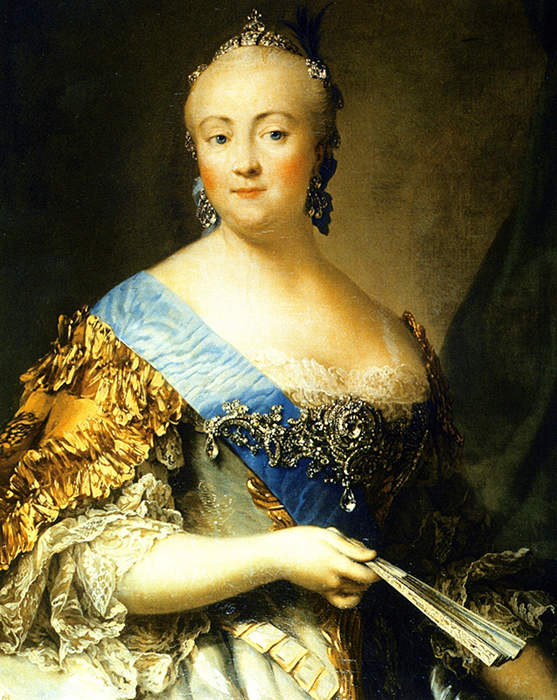
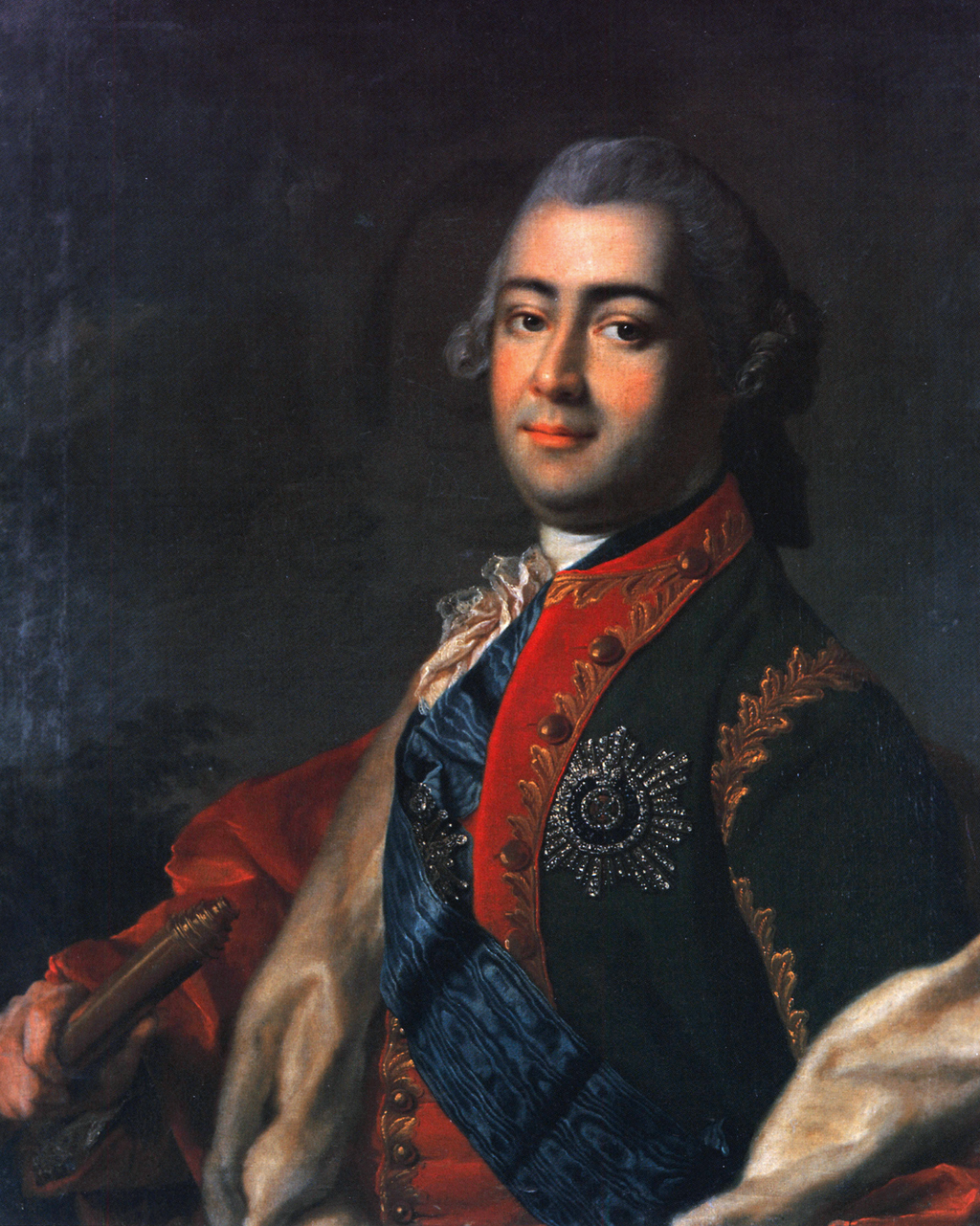
find you a man that plays sweet music for you, has 0 political aspirations and fully supports you as you rule russia
You’ve all heard of Elizabeth I “The Virgin Queen” who remained unmarried and allegedly chaste, ruling alone as one of her country’s greatest monarchs without a man by her side. There was however another Elizabeth of note and this one has just an interesting love story as the first. Elizabeth Petrovna was born in 1709 the fifth of her parent’s twelve children, although only Elizabeth and her sister Anna survived to adulthood. Interestingly her parents had a pretty unique love story; her mother Catherine was a peasant originally named Marta whilst her father Peter was an Emperor. The two fell in love and Catherine was his mistress for a few years before he made her his wife. After his death, she ruled as Empress Regnant in her own right. Elizabeth was sixteen when her father died and eighteen when her mother died. After her mother’s death, the throne in theory should have gone to either Elizabeth or her sister Anna however the complicated nature of Russian politics in the 1720’s led to Elizabeth’s nephew Peter, the son of her much-older (and long deceased) half brother also named Peter gaining the throne. This was in part due to the fact that her half brother was the son of a Russian noblewoman whereas Elizabeth’s own mother was a former maid. In the early half of her nephew’s reign, she was treated well and with respect; Prince Alexander Menshikov her father’s best-friend/her mother’s former lover continued to be influential and it’s possible. he protected her. She was also beautiful, charming, vivacious and intelligent and even Peter was smitten with her. There is some evidence to suggest she had significant influence over him; she was allegedly the one that convinced him not to marry Ekaterina Alekseyevna Dolgorukova who she personally disliked; she also wished to keep the girl’s relatives away from any significant political power. In the second half of his reign however her influence waned and Menshikov was exiled, leading to her own banishment from court. When her nephew died after just a few years on the throne, she was once again cheated out of the throne, this time in favour of her cousin Anna. The two young women were not friendly towards each other and Elizabeth kept her distance; behind closed doors however she was preparing to take the throne, gaining supporters both foreign and domestic (it’s believed both Sweden and France backed her to be Empress). As the daughter of Peter the Great she was awarded a certain degree of loyalty amongst the guard regiments and she made sure to maintain that loyalty, holding special events for the soldiers and acting as godmother to their children. Whilst her political career was progressing, her personal life was not. As a teenager she’d been engaged to Charles Augustus of Holstein-Gottorp however he had died just weeks before the ceremony leaving her by all accounts devastated. The fact her mother had died just two weeks previously was particularly crushing. No-proposals had come forth in the reign of her nephew and her marital prospects only decreased upon Anna’s accession to the throne. After all, everyone knew that Anna and Elizabeth were rivals, both politically and personally; I mean there’s one cringe-inducing story where Anna allegedly asked the Chinese ambassador who the most beautiful woman in Russia was, expecting that he would flatter her, but instead he pointed to Elizabeth. This open rivalry meant that no Russian nobleman nor foreign prince would propose marriage to Elizabeth as not to infuriate Anna who as ruling Empress had absolute power, nor could Elizabeth marry a commoner as it would deprive her of her royal status, property rights and claim to the throne. She was basically stuck in a rut and so decided if she could not have a husband, she’d have a plethora of lovers instead. She was said to be quite infatuated with one lover Alexis Shubin a sergeant in the Semyonovsky Regiment however upon discovering the affair, the ever delightful Anna had his tongue removed and then exiled him to Siberia. Clearly Elizabeth living a long, miserable, solitary existence was Anna’s goal. Elizabeth however had other ideas and in 1732 she met this guy above. Alexei Razumovsky was a talented musician who was tall, handsome and possessed a beautiful singing voice. He had been brought to court by one of Anna’s courtiers who had been impressed with his voice and summoned him to St Petersburg; Elizabeth and Alexei became lovers, by all accounts, rather quickly upon meeting. Unlike Shubin, Razumovsky managed to escape Anna’s wrath, suggesting she remained unaware of the relationship which would go on to last thirty years. Razumovsky was made manager of one of Elizabeth’s palaces which kept him close to her, at least close enough as not to draw any suspicion. Upon Anna’s death her will named her great-nephew Ivan VI (and Elizabeth’s first cousin twice removed) the new Emperor with his mother Anna Leopoldovna as regent despite the fact that a) he was a literal infant and b) he claimed the throne as the great-grandson of Ivan V through a female line whilst Elizabeth was the literal daughter of Peter the Great. Her claim was infinitely greater than his, a fact that even Ivan’s mother acknowledged. The regime led by Ivan’s mother was a disaster from the get go and within fourteen months of his accession, Elizabeth had garnered the support she needed to stage a coup. She rallied the Preobrazhensky regiment and marched with them to the palace where the young infant Emperor, his parents and their closest advisors were all arrested. Miraculously no blood was shed in the coup that made her Empress and that night she made a vow that for as long as she ruled she would not sign a single death warrant, a vow that she to the surprise of just about everyone kept. Alexei was by her side the night of the coup and supported her throughout. He would never end up leaving her side. Within days of the coup he was appointed chamberlain. The morning of her coronation he was promoted further and within the first two years of her reign he was granted various orders and honours. Elizabeth was never subtle about their relationship and she never bothered to hide the devotion between the two; the Holy Roman Emperor Charles VII granted him an honorary title and diplomats who visited the country were advised to seek his favour. He however tried to stay out of politics despite the various military advancements she gave him (he became field marshal in 1756). In the 21 years she ruled, he had an exclusive place at court, his apartments were connected to hers, he had complete access to her at all times, he travelled with her and she grew close with his family, naming his brother the President of the Russian Academy of Sciences. She’s also recorded as visiting his family’s native village. Their devotion was surprising considering the fact that Elizabeth like her English counterpart had no children of her own. The thing is Elizabeth didn’t necessarily need children. She had a nephew Peter (there’s so many Peter’s in this story it’s ludicrous) who was the son of her sister Anna who had died just a year after the death of their mother. Prior to their deaths however Elizabeth, Anna and their parents had demonstrated exceptional foresight by making sure that Anna’s marriage contract allowed any children from her marriage to be included as possible heirs to the throne. This meant that upon becoming Empress, Elizabeth named her nephew her heir and had him brought from Germany so she could raise him in Russia. When he was older she arranged for him to marry Sophie Frederike of Anhalt-Zerbst later known to history as Catherine the Great, hoping that those two would be able to further add to the dynasty. This meant that Elizabeth didn’t need a heir and thus a political marriage was worthless. That’s not to say she never married though. They were rumours throughout her reign that Elizabeth and Alexei had secretly wed. We have no idea when such a marriage may have taken place (it could have taken place at any point after she became Empress) but in the aftermath of her death Alexei was asked to destroy all documents relating to their relationship including according to rumour, the marriage certificate. I tend to be of the belief that if she did marry him, it probably took place in the later half of her reign, most likely after her nephew had married and started a family of his own, thus securing the dynasty’s future. Another thing that people often point to as evidence of a possible marriage is that a number of years after Elizabeth’s death, Catherine the Great (known back then as Catherine II) offered to grant him the title of Prince with the rank of Highness, the sort of title one might expect for the widower of an Empress. He refused and retired quietly from court, dying nine years after his beloved in the palace she’d gifted to him. Their relationship would be a topic of controversy for years after their deaths especially in the 1770’s when a number of young women came forward as pretenders to the throne, claiming to be their secret daughter and thus the rightful Empress. What’s interesting is that even if any of these women, were their daughter she wouldn’t necessarily be the rightful Empress; illegitimate children could not inherit. Their claims to the throne hinged on the belief that Elizabeth and Alexei had 100% been married. I personally don’t think Elizabeth and Alexei had any children, secret or otherwise. Based on the ages of the pretenders they would have been born during Elizabeth’s reign. There’s absolutely no way an Empress spends nine months pregnant and then gives birth without anyone knowing. Not only that but if they were indeed married, why would they hide it? Even if they weren’t married, they could have married upon discovering the pregnancy and thus guaranteeing their child’s legitimacy. The secret daughter thing just doesn’t make any sense, a fact that Catherine II agreed with. The only thing I find slightly odd is that one of those pretenders was buried upon her death in the Romanov family crypt which seems like a weird thing to do if she wasn’t actually a member of the family. Regardless, the thing I love most about Elizabeth and Razumovsky is how completely ride or die he was for her with absolutely no ambition of his own and no intention of trying to share in her power. He was completely happy to play second fiddle to her, which let’s be honest doesn’t always happen, even nowadays in 2021 so for Alexei to be this relaxed in the 1700’s, puts him firmly in the camp of #HusbandGoals. He just really loved her and she really loved him and their relationship seems so easy in comparison to most royal marriages which lets be honest always seems to come with 1000 complications.
(for further reading see “The Romanovs: 1613-1917” by Simon Sebag Montefiore (2017) which has a section on Elizabeth, otherwise there’s very little about her which is so insanely disappointing)
So there you have it!! These are just a few of my favourite historical couples. When I was prepping for this post I realised the list of historical couples I found fascinating was actually quite vast so although this was only meant to be a one-time Valentine’s Day post, I think I will do another post at some point with the rest of the list included. Hope you enjoyed it and that you had a good Valentine’s Day yourself!! See you all soon.
Alexandra x

 The Monstrous Regiment of Women
Wow, that was all fascinating!! I learnt a lot- I love a good romance story and lesser-known historical facts.
LikeLike