Here’s another Books of the Month post for you to enjoy. These were the books I read in the month of September and the books I intend to read this month! I’m ashamed to admit my reading has been slacking lately, but I am hoping to get back to reading as quickly as I used to. With Christmas and my birthday (December 10th) coming up, I’ve got a list of books I’m hoping for!
BOOKS I’VE READ

I’ve read this book a few times but realised that I hadn’t in a while so gave it another go, and I was reminded why I enjoyed it so much. As I’ve said on the blog before, there’s a disappointing lack of robust, well researched, incredibly detailed, English-language biographies that focus on figures outside of Europe but this book is one of the exceptions to the rule! Wu Zetian was the first female ruler of China in her own right and is a very well known historical figure in Asia (there was a very famous tv show about her starring Fan Bingbing) however she’s fairly unknown in the UK. This I believe is the fullest, most comprehensive biography of her written in the English language and I think it’s a wonderful opening, not just to the figure of Wu but to Chinese history in general. One thing I really enjoyed about this book the first time I read it, is that you don’t have to have a significant knowledge of Chinese history to understand what Clement’s is writing about. He does a really good job of simplifying things and explaining them in detail; an example of this is the hierarchy of the harem and the various titles within the Imperial court. Details like this can seem very complex but Clements explains it in a way that someone with no prior knowledge would understand. Now at times he over simplifies things but for a first time reader or someone that doesn’t read academic history books/journals/papers, that’s probably pretty helpful. There are admittedly a few flaws with the book; as I said he sometimes over-simplifies things and I would also say that he sometimes isn’t 100% clear in separating the myths that surround Wu from the factually accurate events and anecdotes that we know happened due to evidence. The lack of primary evidence is also an issue for me but Chinese history circa the 7th century is not my expertise by any stretch of the imagination so it’s entirely possible that there aren’t many primary sources left for Jonathan Clements to use. Having said all that, I do really enjoy this book. It’s well written, easy to understand, explores every part of Wu’s life rather than one particular era and by presenting us with so much information about her, Clements portrays a more complex Wu than we usually see. Often she’s vilified as a power-hungry monster and this book does offer her more empathy than most historians do.
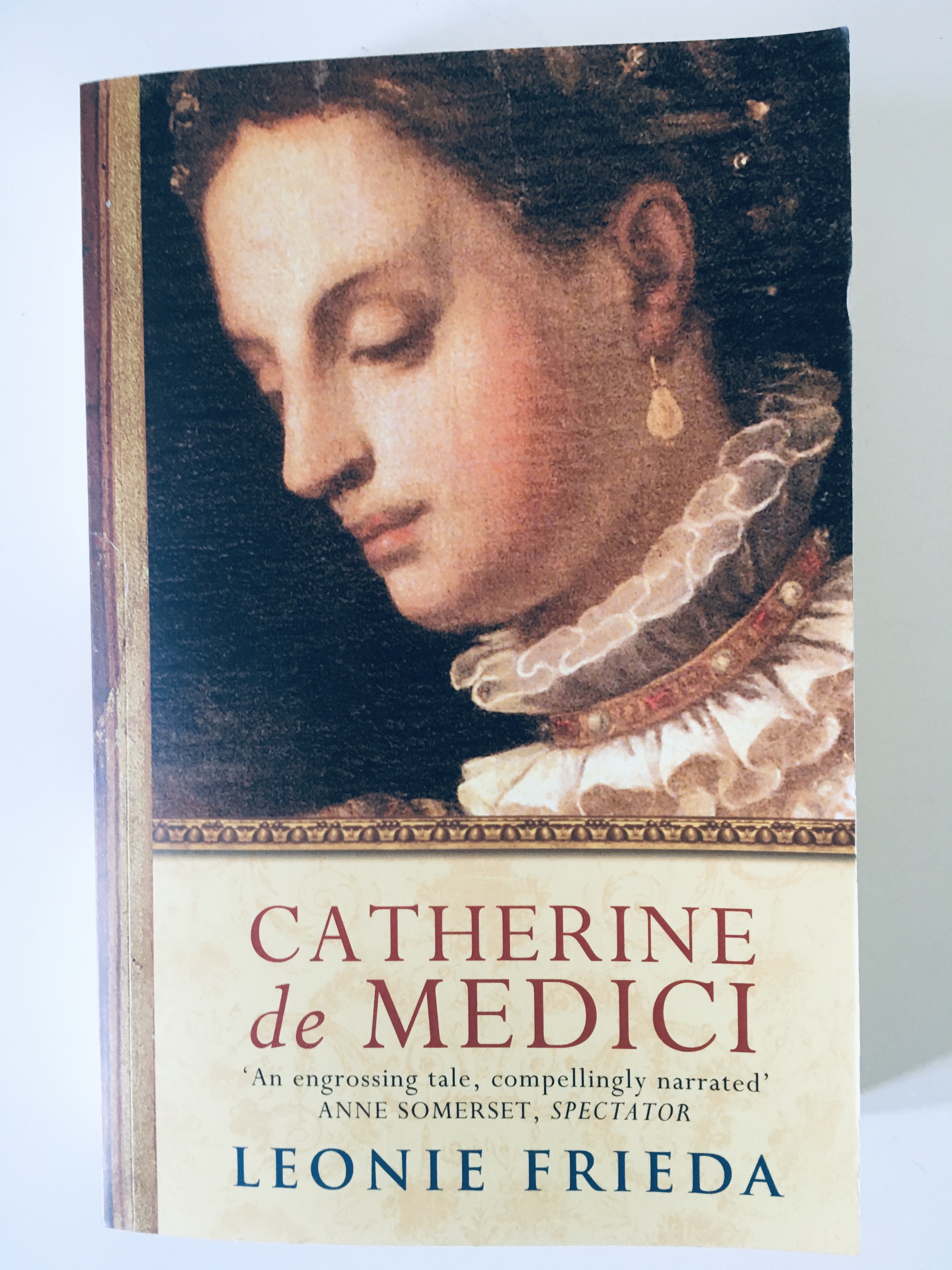
I think I’ve made my love for Catherine de Medici pretty clear (just take a peek at my Twitter bio) and so I will therefore ready pretty much anything about her. Out of all the books I’ve read about her however, this is probably one of my favourites. As I noted in my first Dear Hollywood post (see here), Catherine’s life was an incredibly long, rich, dramatic and complicated one and one thing I love about this book is that it covers all of it. It doesn’t focus solely on one period of her life (although obviously there is emphasis on the more important sections) and it tells the story of Catherine from birth to death. Catherine’s childhood I don’t think get the attention is deserves; it had an undeniable effect on the woman she became and I think Frieda exploring that part of her life in the opening chapters adds context to the rest of the book and the character of Catherine. Another thing I love about this book is that she admits Catherine’s flaws; she doesn’t try to divert blame or absolve Catherine of any responsibility for some of her more morally questionable decisions, but she doesn’t unnecessarily vilify her subject either. Catherine has been vilified for centuries and held solely responsible for things that were out of her control; she’s one of those historical figures that is rarely represented in an unbiased manner. Frieda however manages to portray Catherine (rightfully so) as a complex, multi-faceted, real person with flaws and strengths. There are times when she comes off a little biased in Catherine’s favour, particularly in the sections that reference Diane de Poitiers the mistress of Catherine’s husband Henry. Having said that, in the story of Catherine de Medici, Diane was I suppose a villain so I get it. This book is well-researched and well written with plenty of primary sources to back up Frieda’s arguments. Her writing at times may seem a little dry which I know some people may struggle with however I personally did not.

This is an academic book that I brought a while ago and found it to be such an incredible piece of academic work; it’s basically everything I love in a book. I recently had to use it for my Melisende of Jerusalem profile (see here for part 1 and see here for part 2) and I decided to just re-read the whole thing! As expected from an academic book, it’s wonderfully well-written and well-researched and the primary sources, Earenfight uses are very very good. One of the things I love most about this book is the variety of the queens Earenfight writes about; not only does she cover a vast geographical group of subjects from the Iberian Peninsula to England and Ireland to Eastern Europe and Scandinavia, but the women she writes about come from all parts of the Medieval era from Empress Irene in the 8th century to Catherine de Medici in the 16th century. I think often in the popular narrative, the Medieval era is considered a time where women had no autonomy and no power and this book not only disputes that but also demonstrates how the role of women, specifically queens varied according to time and location. Reading this book from start to finish is fascinating because you really see the way queenship evolved over the centuries. She also explores such a stunning array of women from the likes of Catherine and Eleanor of Aquitaine who are widely known to the less explored queens of Medieval Europe and the different ways they wielded power. Now for casual readers of history, this book might be a bit too much but I personally love it.
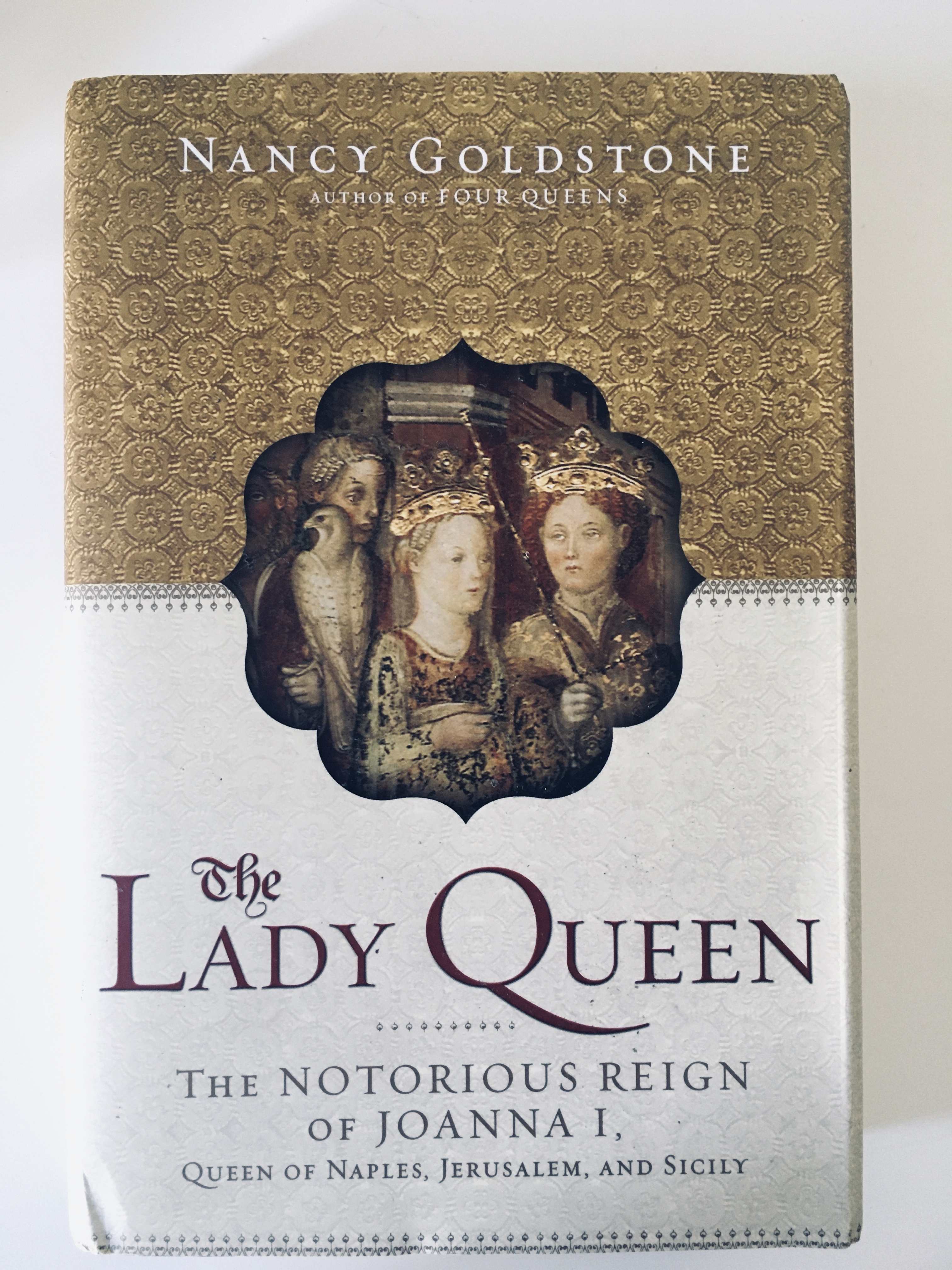
I remember when I first brought this book I was so excited; the combination of Nancy Goldstone (who I love) and Joanna I of Naples (who I also love) seemed like a winner. Joanna had such a stupidly dramatic life that is practically tailor made for a soap opera and I was intrigued to see how a biographer might approach telling a) such a dramatic story and b) focusing it solely around a woman whose reputation is as the title suggests fairly notorious. After re-reading it recently, I can say I think Goldstone did a pretty good job. First things first I always enjoy her writing, it’s not too academic but not too simplistic either. It’s very well researched with a plethora of secondary and primary sources and even her assumptions are backed up with documentation. One flaw with the book however is that Joanna at times is not always at the centre. The political environment and the other players are sometimes overwhelming and I didn’t feel that I got to know Joanna as a woman as well as I would like. I like my biographies to explore every aspect of the subject’s life and personality; I want to feel like I know them. Goldstone includes a lot of details about the intricate Italian politics of the era and the ever-changing alliances and backstabbing but there were times when reading the book that I wanted her to get off her tangent and return to the subject of the book; Joanna. Having said that those tangents do provide a great deal of context and backstory. I just wish it wasn’t at the expense of exploring Joanna’s character further. Despite that this book is incredibly engaging and as I said not too academic that a casual-reader of history would be bored. There’s certainly nothing boring about 14th century Italy!!
BOOKS TO READ

As you may have noticed, I really like Nancy Goldstone. Not only do I use one of her quotes as a tag-line on the blog but I’ve read a number of her works including the one before this. I’ve read this book before, quite a while ago actually, and loved it. Writing a book about four subjects and giving each of them ample space to tell their stories is not easy but Goldstone does it pretty well if I remember correctly. Unfortunately I don’t remember as much of this book as I would have liked (although I remember I really liked it) so I’m intending to re-read it and hopefully enjoy it as much as I did last time.
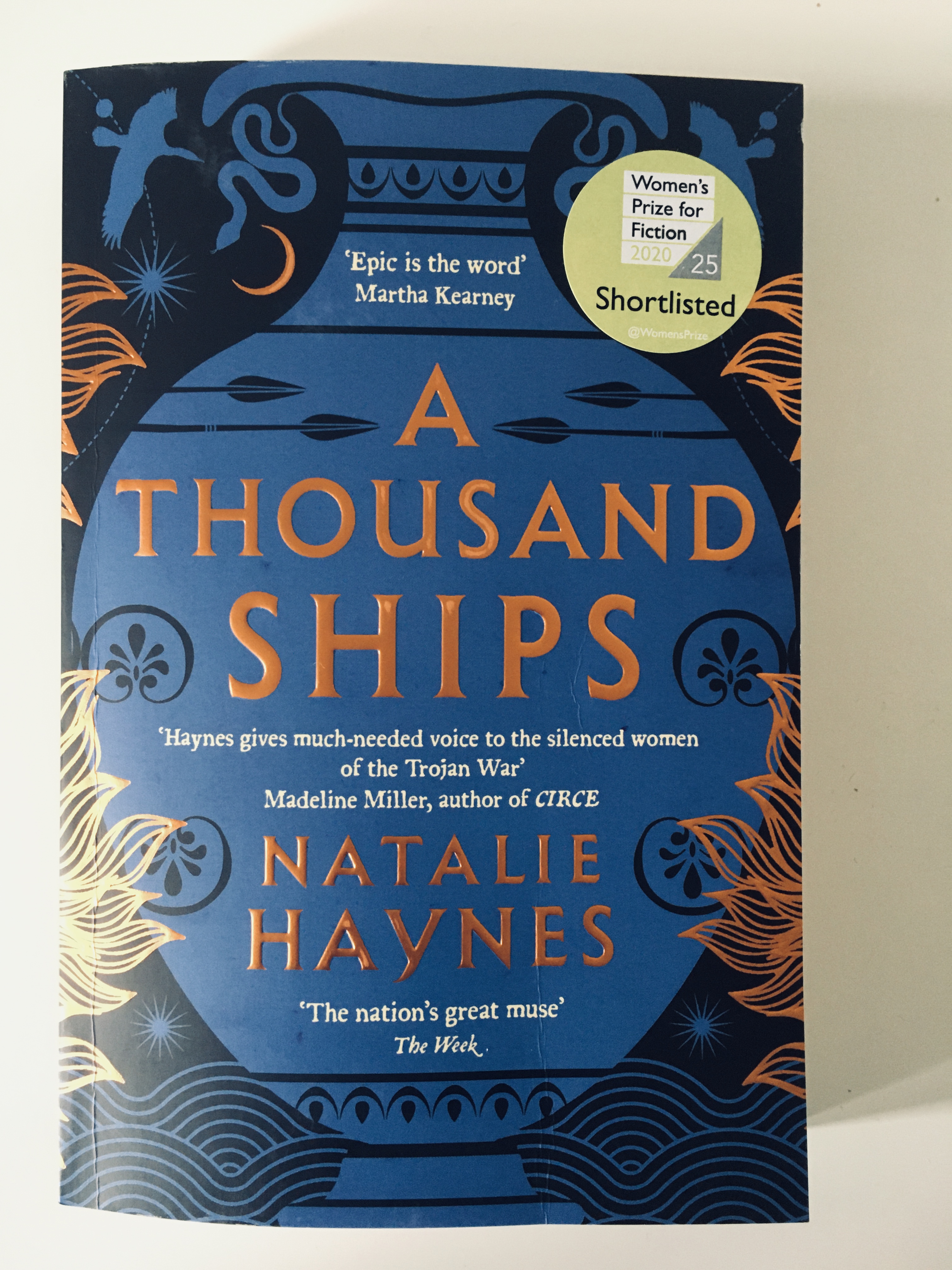
I’ve had this book on my shelves for a while and just never got round to reading it! I however have made a vow that this month I will read it. As I’ve said before I love the Iliad and so I my interest was piqued when I saw this; a retelling of the Trojan war from the perspective of the women including the goddesses. I’m intrigued to see how Natalie Haynes manages to keep the story true and loyal to the original Iliad whilst telling the same story through the lens of the female characters. I have a friend who read it and thoroughly enjoyed it; so fingers crossed I will too!

And here are three of the books I’m ready at the moment in order to prepare/research for my next profile for this blog! Maybe you can guess who my next profile is about (hint it’s not Joan of Arc)!
Thank you for reading, I hope you enjoyed it!! See you soon.
Alexandra x

 The Monstrous Regiment of Women