Welcome to the first instalment of Books of the Month. This will be a monthly recurring post on this blog where I’ll tell you a bit about the history books I’ve read or brought that month. The combination of my birthday on December 10th (shout out to the other December babies) and Christmas two weeks later, meant that I was given quite a few books last month; although I haven’t head the chance to complete all of them, I thought I’d give you a bit of a rundown on my thoughts so far. I also brought myself a few goodies last month so I’ll be including them too!

The first book was a gift from my mama (thank you) who is an expert gift giver and brought me this for Christmas. Born Eugenie de Montijo, she would go on to be the last Empress of the French from 1853 until 1870. I first learned about Eugenie when she was mentioned in a book about one of her contemporaries (and one of my personal favourites) Empress Elisabeth “Sissi” of Austria and I researched a little to find out more about her. Admittedly the 1800’s are not my favourite era of history and I know very little about French history post Napoleon but something about Eugenie interested me. Although I’ve started the book, I have yet to finish it; my feeling so far is that the book is perfect for newcomers to the era and to Eugenie herself. It’s well researched and has so far done a wonderful job of presenting how much of a razor sharp politician Eugenie was although I found some sections of the book less enjoyable to read than others. Despite that, I’ve so far thoroughly enjoyed it.
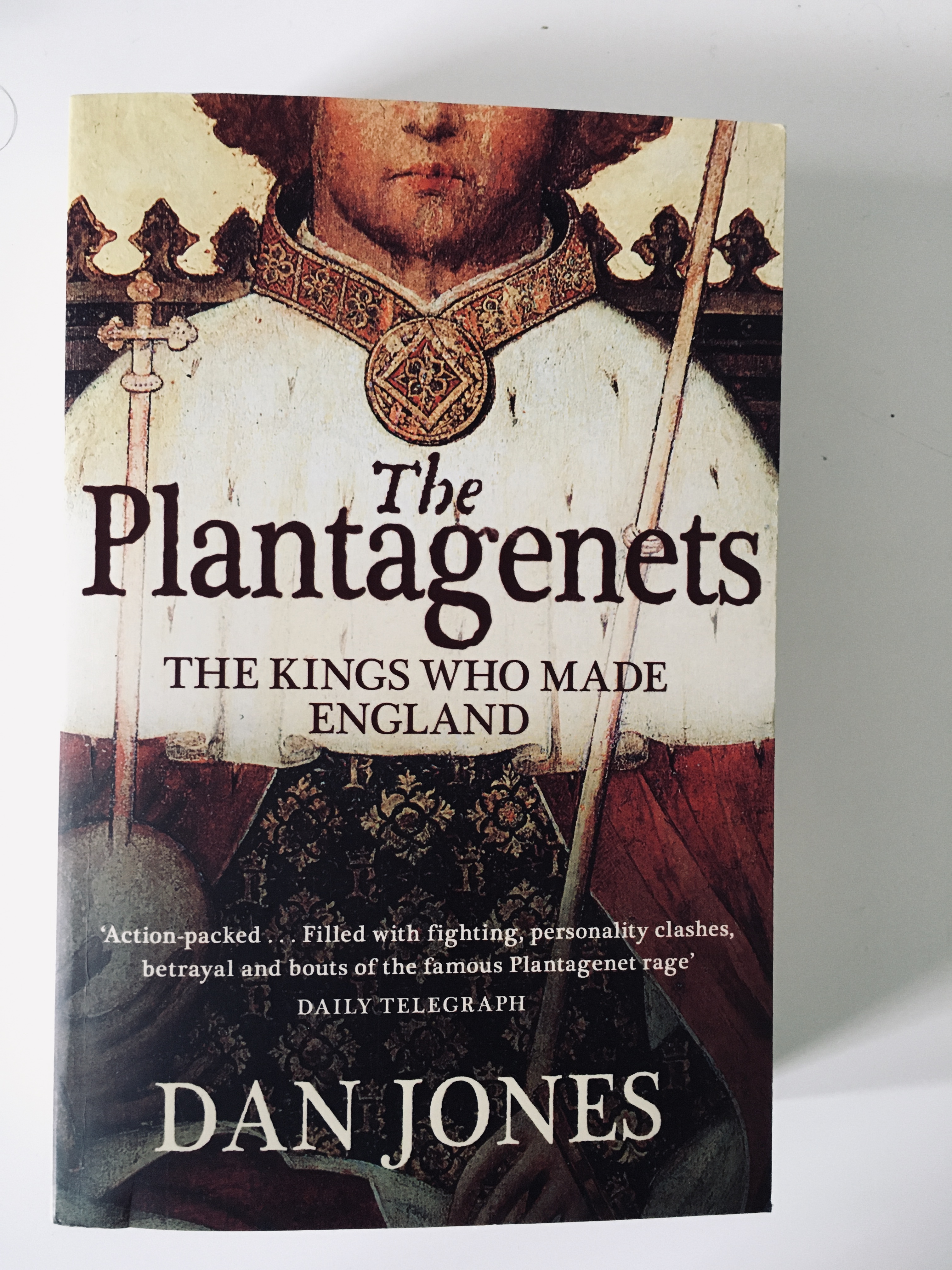
I’ve always had a soft spot for the Plantagenets and I read this book when it first came out in 2012 however I realised late last year that I didn’t own my own copy and wanted to read it again, hence the Christmas present (yet another from my mama). I’ve always had a soft spot for the The Plantagenets, having learnt about them at school and Dan Jones, a historian whose work I’ve quite enjoyed (particularly the Channel 5 documentary he did about Elizabeth I with Dr Susannah Lipscomb in 2017) does a solid job of telling their story. For those that may not know, the Plantagenets were, to put it mildly an insane bunch; seriously the Lannisters and Targaryen’s have nothing on them, so Jones has a phenomenal amount of material to work with. I would say, both those who know nothing about the dynasty and those such as myself that already do, would enjoy this book; it’s well structured and Jones does a masterful job of weaving the individual personalities of the dynasty’s most important figures and their individual stories into the larger story of England. A must read for anyone who wants to learn more about the medieval era and the dynasty themselves, without focusing solely on one individual.
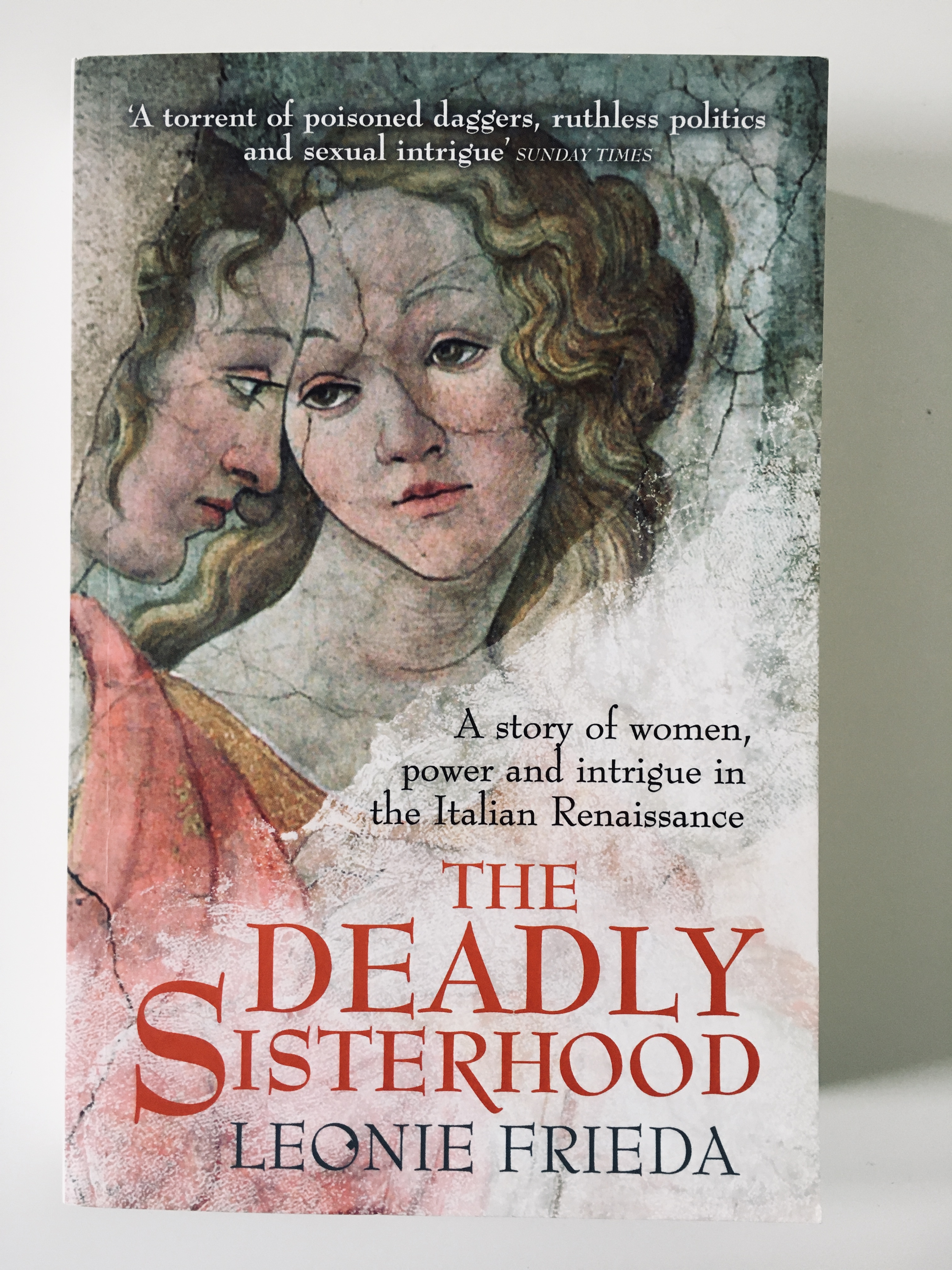
So I haven’t actually started this yet; it’s next on my list after I finish Eugenie’s story, however I’ve read some of Leonie Frieda’s previous work, in particular her book on Catherine de Medici and loved it, so I’m excited to start this one. It’s set right in the heart in the Renaissance aka my favourite era of history, and focuses on eight fascinating women who shaped the era; Lucrezia Tornabuoni, Clarice Orsini, Caterina Sforza, Isabella d’Este, Beatrice d’Este, Isabella d’Aragona, Lucrezia Borgia and Giulia Farnese. Other than Lucrezia Borgia whose life has been dramatised and mis-represented frequently in the centuries since, it’s entirely possible that unless you’ve studied the period, you’ve never heard of the other women. As I said, I haven’t read the book yet so I can’t tell you whether it’s worth a read or not however I’m hoping Frieda does justice to the incredible women she’s writing about. I’m also hoping the book does as it’s advertised and focuses solely on them; sometimes in books such as these the focal figures can get lost in intricately interwoven narratives and too much emphasis can be placed on background figures. I hope that this isn’t the case in this book, because Frieda has eight subjects who were powerhouses in one of history’s most interesting eras and they deserve to be centre stage in their own story.
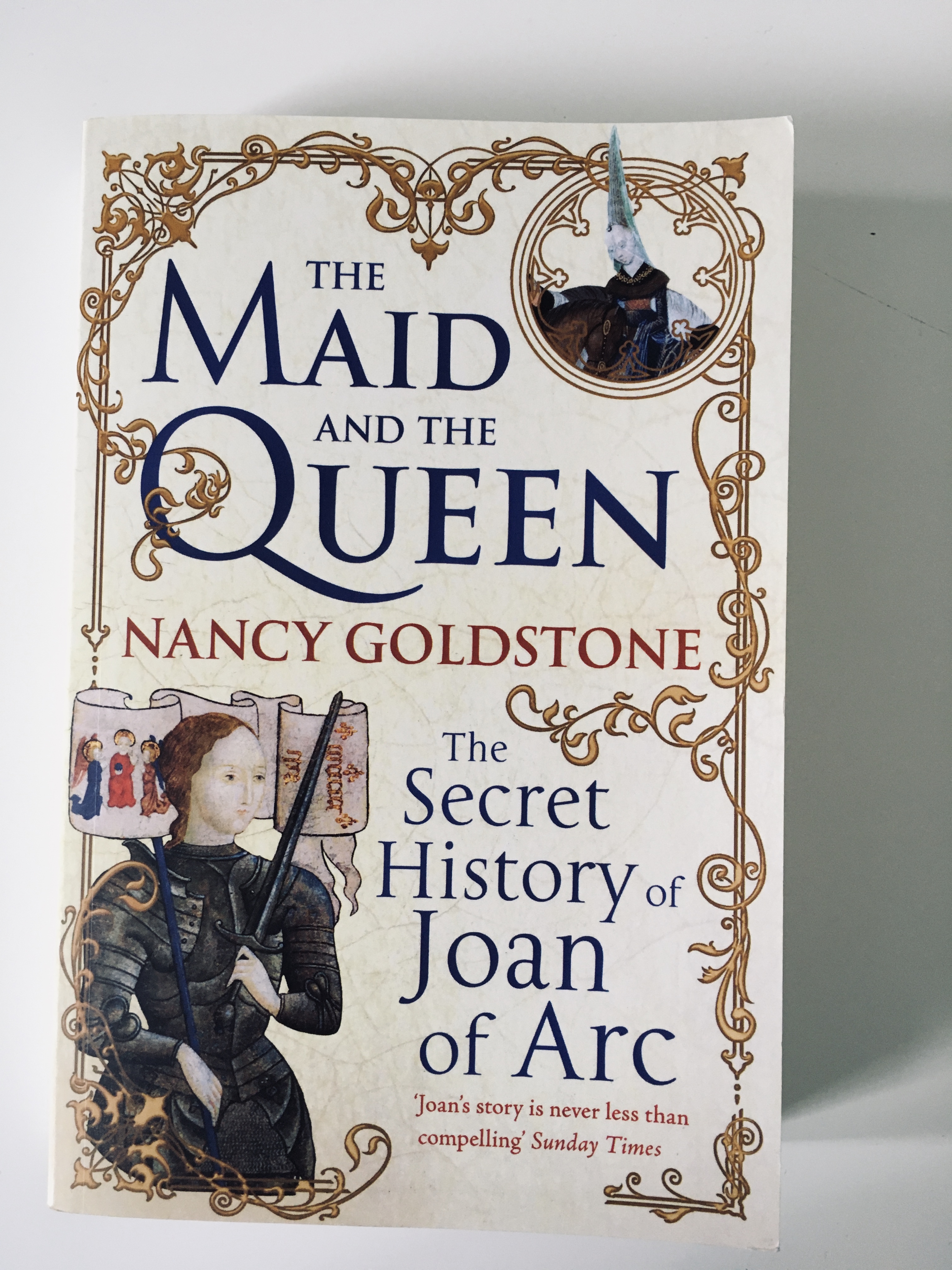
Everyone knows about Joan of Arc, I mean her story is one that’s been told frequently, however often lost in her story is the role of Yolande of Aragon, a woman that doesn’t receive half the attention she deserves. There is little written about her which is frankly an outrage; she’s a fascinating political figure who held immense influence on the trajectory of Europe in her lifetime and yet I’ve found she’s often ignored in studies of women in the medieval era. This book tries to remedy that to an extent and although it clearly only covers one period of Yolande’s fascinating life, I’m sure I’ll enjoy it all the same. Like the previous book I have yet to read this one, although I have read the introduction which did a good job of laying out a succinct synopsis of the book and explaining it’s structure. For example the introduction, notes that the early chapters focus on the circumstances that lead to Joan of Arc’s rise to prominence without the woman herself actually appearing. I’m assuming the focus in the early chapters will be on Yolande. The difficulty with writing a book that has two individual subjects is getting the balance right, not writing too much about one or the other and intertwining their stories in a way that makes sense to the reader. Goldstone has previously written another book (“Four Queens: The Provencal Sisters that Ruled Europe”) that also had dual subjects and I found she got the balance right in that one so I’m hoping she is as successful with this one. As I said, I’ve only read the introduction thus far but thoroughly enjoyed it and am looking forward to the rest of the book!
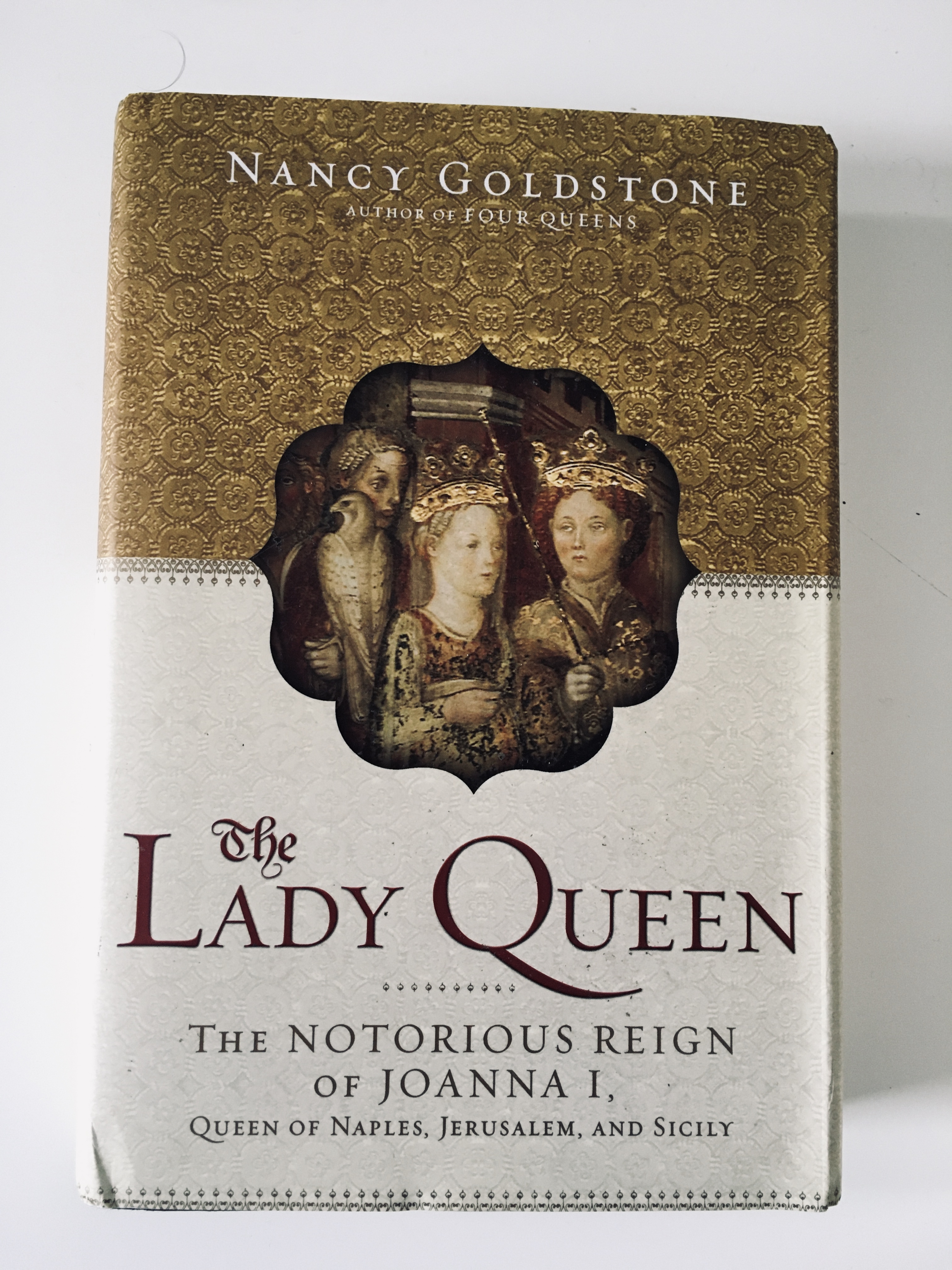
Lets all give Nancy Goldstone an applause for writing yet another book about a female medieval figure who hasn’t been given half the attention she deserves! There wasn’t a huge amount of Queen Regnants in the medieval era however Joanna was one of the rare few and her life was undeniably soap opera worthy with four husbands (one of whom she was accused of murdering and another who died of the plague), three kingdoms, a feud with the Papacy and a suspicious death of her own which may or may not have been murder. I have to say Joanna is not someone I know too much about however the snippets I had heard about her life fascinated me, so I was thrilled to receive this book as a birthday gift. I have to admit I have yet to start it as I’ve had multiple others on the go but I’m very excited to start reading and learn more about the life of this clearly extraordinary woman.

For anyone who is either a) in the academic field or b) has studied a subject like history at university, you’ll have heard of Palgrave Macmillan, an publishing company that produces wonderful yet quite expensive academic textbooks and journals. Due to the price of said textbooks and journals, they’re not a frequent purchase of mine however in December, the company had a Black Friday sale that meant a number of their works were reduced to £9.99!!! For a history geek like me, it was the best news I’d heard all week and after buying two of their books myself (more on those later), my nan also brought some for me as a birthday gift! This was one of her buys and I have to say it’s amazing. Rather than one continuous book, it’s a collection of essays focusing on various royal mothers and the challenges they faced in managing their own political ambition, that of their children, contemporary propaganda and traditional expectations of their role. As I would expect from a book of this calibre, it’s extremely well researched and the primary sources are excellent pieces of evidence. I also love the women they’ve chosen to highlight in the book from Margaret Beaufort to Bona Sforza to Isabella of Angoulême to the previously mentioned Yolande of Aragon. The chapter that explores the political careers of her and Violant of Bar, through the metaphor of a chess game, was probably my favourite chapter. Despite the fact the book is a collection of essays, there is a nice cohesion between the various stories and sections, as many of the essays explore similar themes and many of the women faced similar challenges. I certainly wouldn’t suggest this for someone who is a casual reader of history, as it’s very academically written and may be difficult to follow, however I personally loved it and found it to be a fascinating exploration of the intricately complex role of a royal mother.
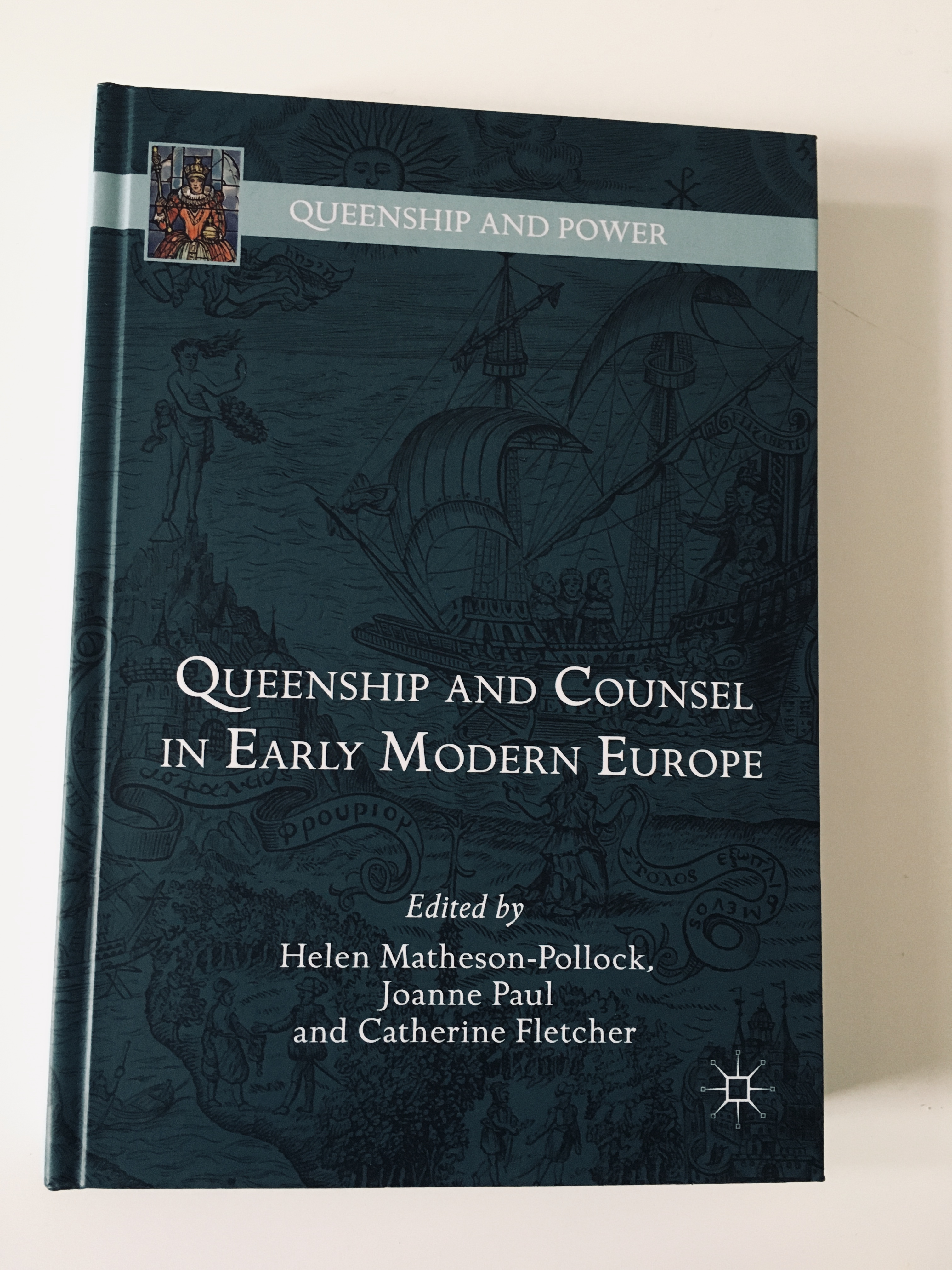
This was another goodie from the Black Friday Palgrave Macmillan sale and is structured the same as the previous; it’s a collection of academic essays however these essays focus on the changing concept of royal counsel in the Early Modern period, due to the increasing number of women who were either monarchs in their own right or who assumed the same level of authority in their role as regent. Some of the essays are about perhaps the most obvious historical figures of the era, women such as Elizabeth I and Catherine de Medici, however others also explore the political participation of lesser studied women like Catherine Jagiellon and Anna of Denmark. I am almost half way through the essays and have thoroughly enjoyed the ones read so far. Like the previous book, the sources, both primary and secondary that are used in the pieces are well researched and well used and I find the topic to be a particularly interesting one. There are obviously many differences between a female monarch and a male one, but I’ve never considered the concept of counsel as being a particularly striking one. The essays I’ve read so far have proven otherwise! Just as a sidetone/cool fact; one of the editors of this book – Dr Joanne Paul, was one of my professors at university, and her lectures/seminars were some of my favourites, throughout my four years studying. She wrote the epilogue in this collection which I have yet to get to but am immensely looking forward to reading!
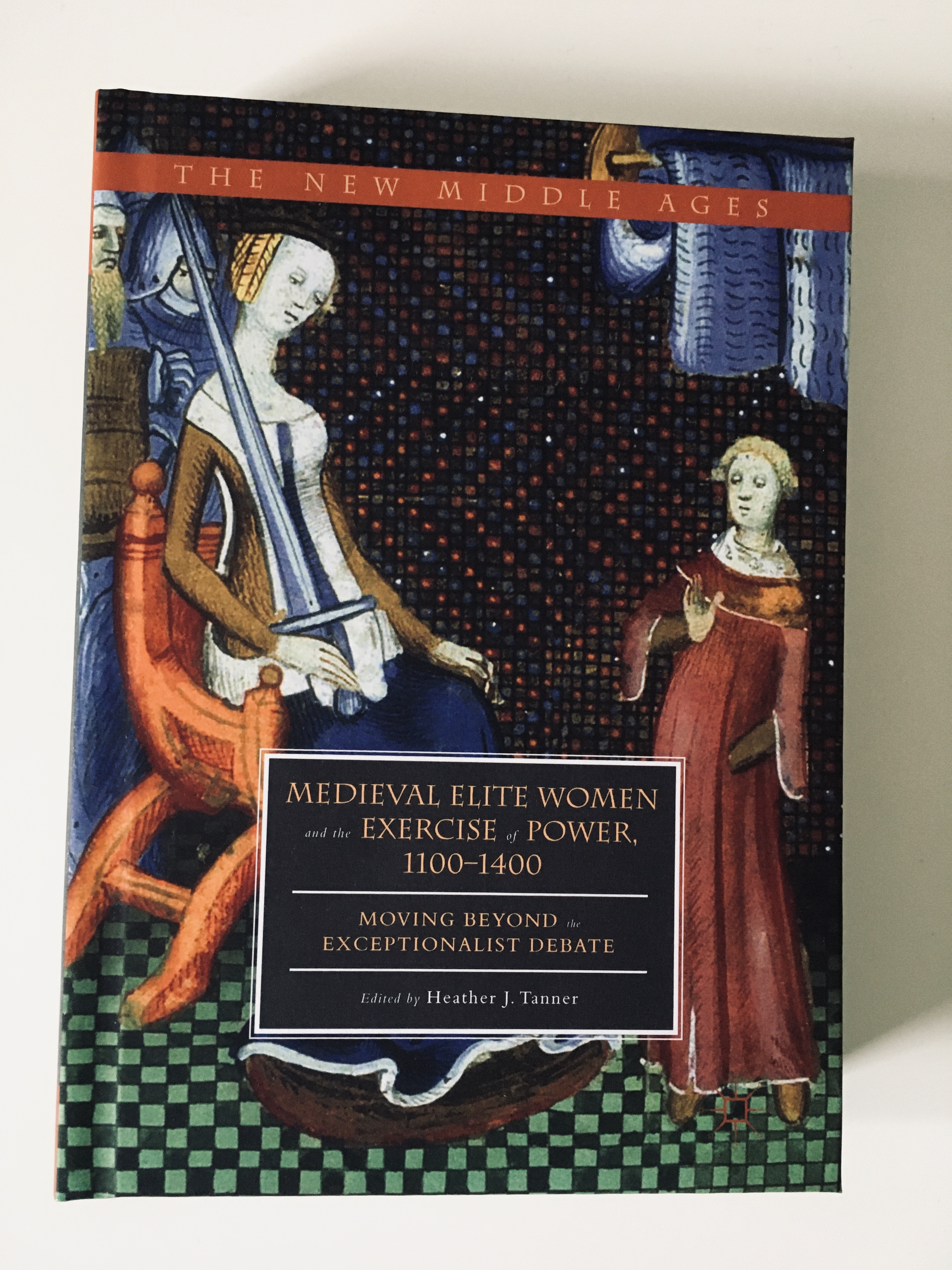
This one was also from the Palgrave Black Friday sale, and focuses as you can tell from the title, on the ways in which women exercised power between 1100 and 1400. I haven’t read this collection of essays yet but I chose to buy the book because I was drawn to it’s central theme; that women in this era who exercised power were not the exceptions to the rule and that contrary to traditional academic thought, elite women exercising power was actually a normal part of medieval society. As I said, I’ve yet to actually start this book so am intrigued to see how the various writers of the essays in this book, present this argument. I was also intrigued by the variety of women the essays in this book focus on; they’re from various geographic locations from France to England to Antioch (modern day Turkey) and although all from the upper echelons of society, not all of them are royal.
So there is my January 2020 collection of books! Hope you enjoyed this post and I’ll see you all again soon!
Alexandra x

 The Monstrous Regiment of Women